In a world where concrete jungles dominate the skyline, urban farming is the fresh breath of air cities desperately need. Imagine plucking ripe tomatoes from your balcony or harvesting herbs from your rooftop. It’s not just a fantasy; it’s the new wave of sustainable living that’s turning city dwellers into green thumbs.
Overview Of Urban Farming
Urban farming engages city dwellers by creating productive green spaces. These spaces often include balconies, rooftops, and community gardens, allowing residents access to fresh produce. The trend reflects a shift towards sustainability amid increasing urbanization.
Community support plays a significant role in urban farming success. Organizations frequently provide resources and training, fostering collaboration among individuals. Local markets often showcase produce from urban farms, promoting both visibility and local consumption.
Space optimization proves essential in urban environments. Vertical gardens and hydroponic systems maximize limited areas, enhancing yield. Some urban farmers utilize aquaponics, integrating fish farming with plant cultivation for added efficiency.
Health benefits accompany the rise of urban farming. Freshly grown vegetables and herbs encourage healthier eating habits. Additionally, gardening provides physical activity that contributes to overall well-being.
Environmental improvements feature prominently in urban farming discussions. Green spaces filter air pollutants, mitigate urban heat, and enhance biodiversity. Studies indicate that urban gardens can significantly reduce city temperatures, benefiting both residents and wildlife.
Economic advantages arise from urban farming ventures. Individuals often save money by growing their own food. Local economies benefit from the sale of produce, creating job opportunities within communities.
Education also links strongly to urban farming initiatives. Schools increasingly incorporate gardening programs into their curricula, teaching students about nutrition and sustainability. Workshops and events hosted in urban farms foster knowledge sharing among community members.
Overall, urban farming transforms cityscapes while promoting sustainable practices, health, and community engagement.
Benefits Of Urban Farming
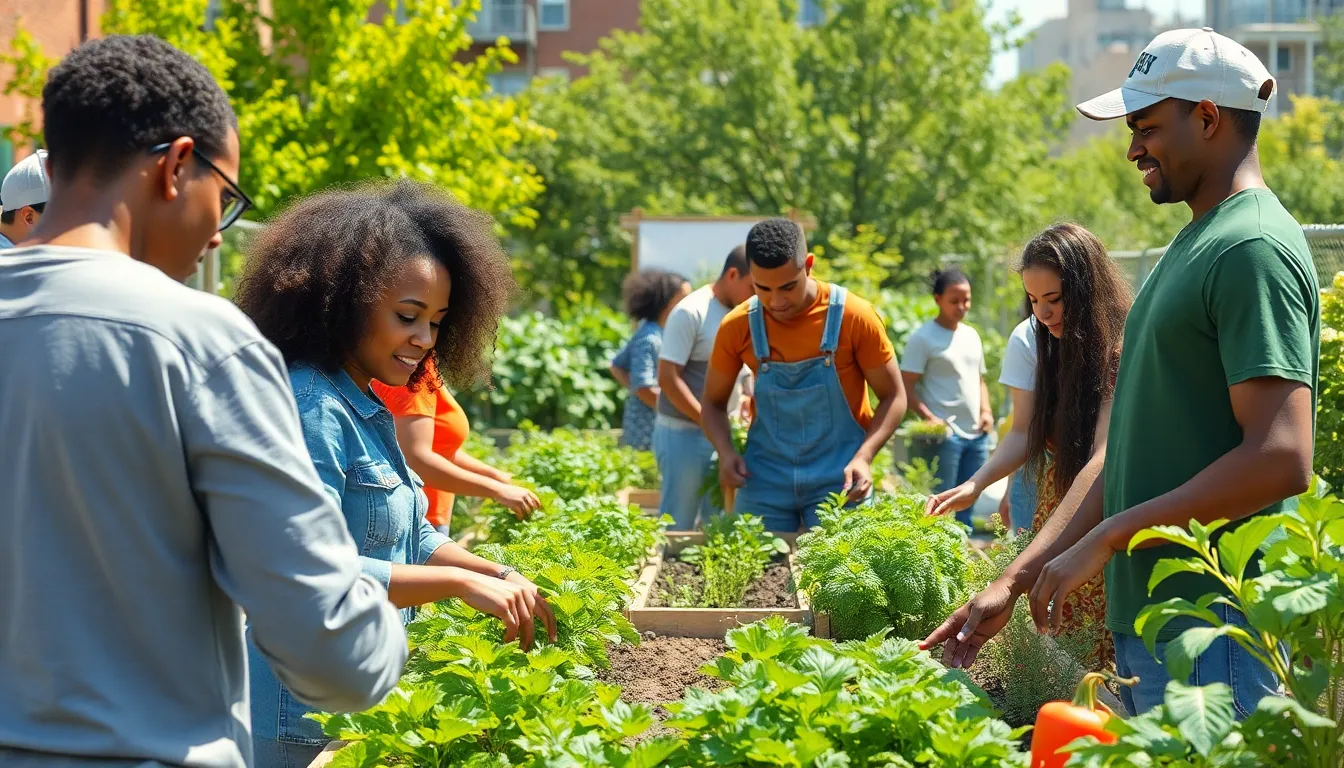
Urban farming offers numerous advantages, enriching city life while promoting sustainability and resilience. These benefits span environmental, economic, and social dimensions.
Environmental Impact
Urban farming enhances air quality by filtering pollutants through plants. Green spaces also reduce heat, lessening urban heat islands. Biodiversity thrives in city landscapes as various plants attract pollinators. Water management improves through rainwater harvesting in gardens, aiding conservation efforts. Organic practices in urban farms reduce chemical runoff, protecting local water sources. Enhanced carbon sequestration occurs as plants absorb CO2, mitigating climate change effects.
Economic Advantages
Cost savings emerge for urban residents who grow their own produce. Increased access to fresh food stimulates local economies, benefiting small businesses and farmers’ markets. Job creation follows as urban farms often require labor for maintenance and distribution. Community-supported agriculture programs connect consumers with local farms, fostering economic resilience. Additionally, urban farming promotes skill development, preparing individuals for employment in agriculture and sustainability sectors.
Social Benefits
Building community ties is a core aspect of urban farming, as neighbors often collaborate in gardening efforts. Sharing knowledge about horticulture and nutrition fosters a sense of belonging. Mental health improves for individuals engaging in gardening, providing therapeutic effects. Educational initiatives in schools teach children about sustainability and healthy eating habits. Creating inclusive spaces encourages participation across demographics, enriching urban communities through shared experiences.
Challenges Faced By Urban Farmers
Urban farmers encounter several challenges that can hinder their efforts in city environments.
Space Limitations
Limited space poses significant challenges for urban farmers. Many urban areas lack adequate land for traditional agricultural practices. Vertical gardens provide one solution, maximizing space while growing a variety of plants. Container gardening also serves as an option, allowing farmers to utilize balconies and rooftops. Creativity in space management becomes essential for successful urban farming.
Regulatory Issues
Regulatory issues can complicate urban farming efforts. Zoning laws often restrict agricultural activities within city limits. Specific permits may be required for operations such as beekeeping or livestock care. Navigating these legal frameworks can be daunting for new urban farmers. Community advocacy plays a key role in influencing policies that support urban agriculture.
Access To Resources
Access to resources significantly affects the viability of urban farming. Many urban farmers struggle to find affordable seeds, soil, and tools. Local agricultural cooperatives can provide assistance in sourcing these materials. Additionally, education and training are vital for ensuring the development of essential skills. Networking within the community fosters collaboration and resource-sharing among urban farmers.
Successful Urban Farming Examples
Urban farming initiatives demonstrate innovation in maximizing limited city spaces. Successful examples illustrate how various projects and community efforts achieve sustainability and engage residents.
Notable Projects
Brooklyn Grange operates the world’s largest rooftop farm across multiple sites in New York City. It focuses on local food production and provides educational workshops. Meanwhile, the Detroit Black Community Food Security Network promotes urban farming to address food deserts through community-driven initiatives. Additionally, GrowNYC connects schools with local farms, enriching student education through hands-on learning. These projects showcase urban agriculture’s potential, making significant impacts within their communities.
Community Initiatives
The Urban Agriculture Coalition enhances local food systems by organizing farmers’ markets and community gardens. These spaces not only provide fresh produce but also foster community interactions. Similarly, community-supported agriculture programs in various cities allow residents to directly support local farmers, strengthening local economies. Furthermore, initiatives like local gardening workshops empower residents with skills to cultivate their own food. Each of these efforts underscores the importance of collaboration and community engagement in urban farming.
Future Of Urban Farming
Urban farming continues to evolve, driven by innovative practices and essential policy frameworks. This evolution promises to reshape the urban landscape and the way communities engage with food production.
Innovative Practices
Hydroponics and aquaponics stand out as leading methods in urban farming, allowing growers to maximize space and minimize soil use. Vertical gardens and green walls optimize sunlight and enhance urban aesthetics. Furthermore, smart farming techniques integrate technology like sensors and data analytics, enabling precise monitoring of growth conditions. Using drones for aerial assessments also streamlines operations and improves efficiency. Community-supported agriculture programs encourage residents to invest in local farms, fostering closer ties between producers and consumers. These innovative practices demonstrate that urban farming can adapt to meet the demands of densely populated areas while enhancing sustainability.
Policy Recommendations
Implementing supportive policies remains crucial for the growth of urban farming. Zoning regulations should accommodate diverse agricultural practices, enabling expansion and innovation. Financial incentives for urban farms can stimulate investment and sustainability efforts. Additionally, governments must provide grants and funding opportunities to assist start-ups and community initiatives. Collaborations between local authorities and agricultural organizations can facilitate access to resources and knowledge sharing. Educational programs highlighting the importance of urban farming can further strengthen community support. Together, these policy recommendations pave the way for a thriving urban agriculture ecosystem, promoting resilience and sustainability.
Urban farming is transforming city landscapes and promoting sustainable living. By encouraging individuals to grow their own food in limited spaces, it fosters healthier lifestyles and strengthens community bonds. The innovative practices emerging within this movement not only enhance food security but also contribute to environmental resilience.
As urban areas continue to evolve, the importance of supportive policies and community engagement cannot be overstated. With the right resources and collaboration, urban farming can thrive, creating vibrant green spaces that benefit both people and the planet. Embracing this trend can lead to a more sustainable future for cities everywhere.