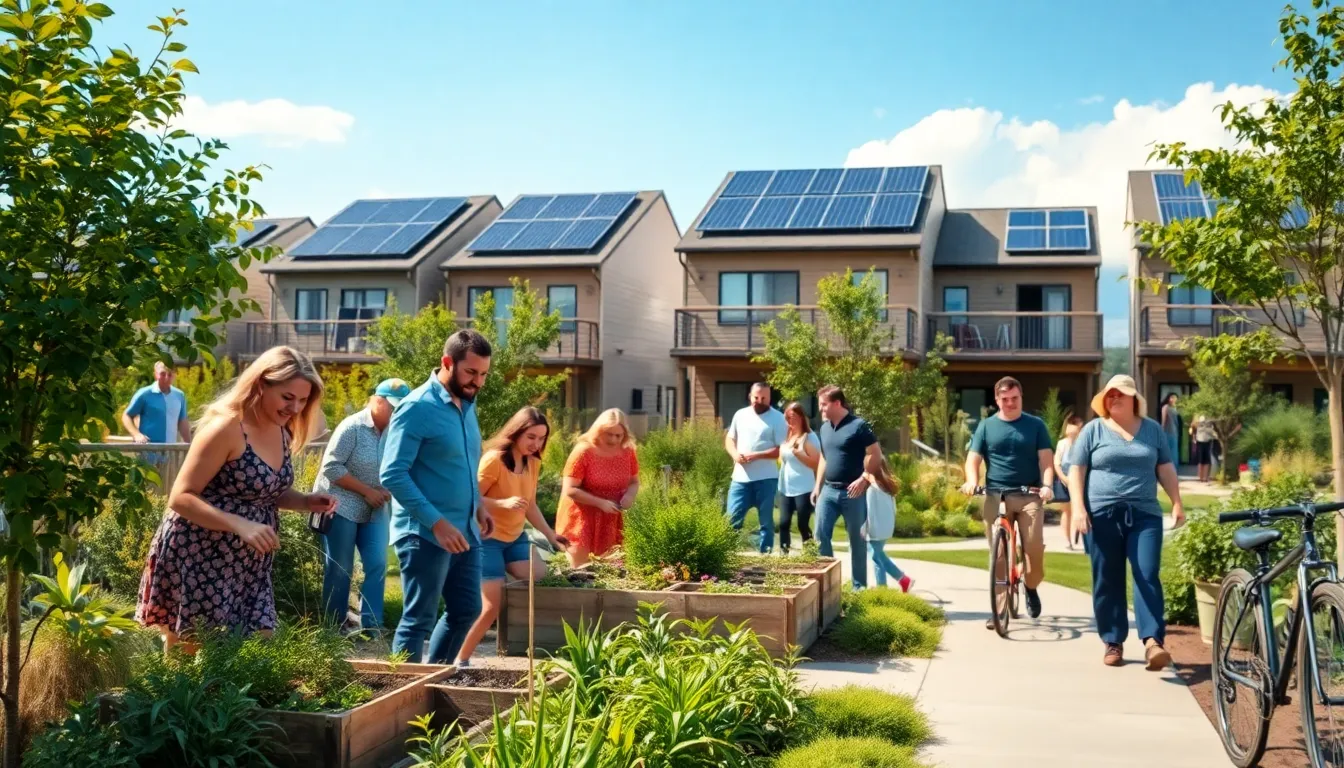
Imagine living in a place where your neighbors are as committed to saving the planet as you are. Sounds dreamy, right? Sustainable living communities aren’t just a pipe dream: they offer a compelling blend of eco-friendliness and close-knit togetherness. In a world increasingly affected by climate change, these communities present a refreshing counter-narrative, combining modern living with a commitment to the environment. So grab your reusable coffee cup, and let’s jump into the ins and outs of sustainable living communities.
What Are Sustainable Living Communities?
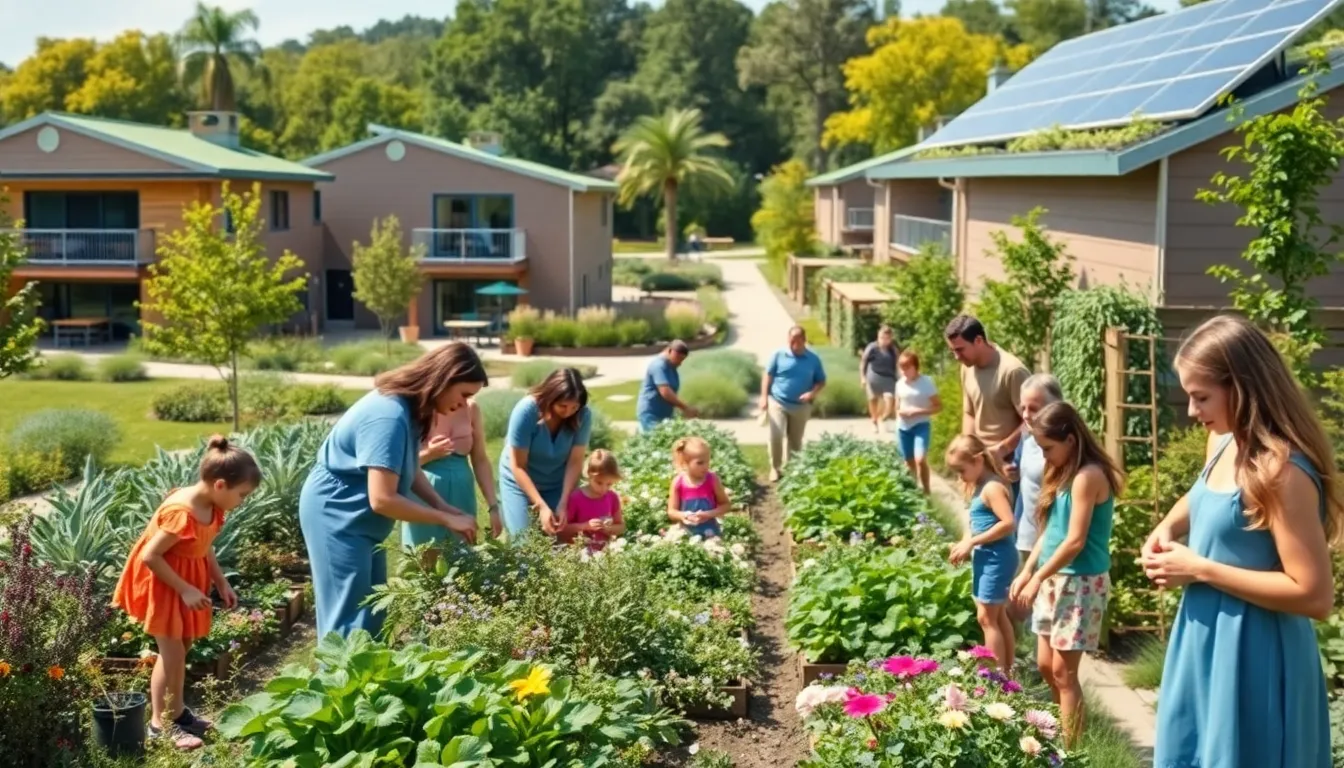
Sustainable living communities are intentional residential areas designed to minimize their ecological footprint while maximizing social connection. Often seen as utopian experiments, these communities use environmentally friendly practices to foster a more united, caring, and responsible lifestyle. Here, individuals and families work together to promote sustainability through various means, think community gardens, solar power, and shared resources. The goal is to create a vibrant ecosystem, both ecologically and socially, where the health of the planet and the community go hand in hand.
Key Features of Sustainable Living Communities
- Renewable Energy Sources: Most sustainable communities prioritize renewable energy options, utilizing solar panels, wind turbines, or even geothermal systems.
- Community Gardens: Localized food production becomes a hallmark of these neighborhoods. Many residents participate in community gardens, promoting both sustainability and interaction among members.
- Efficient Water Management: Rainwater harvesting systems and greywater recycling are commonly implemented to use water wisely.
- Eco-Friendly Building Materials: Homes and communal buildings are often constructed with sustainable materials, ensuring minimal impact on the environment while providing adequate insulation and durability.
- Walkable Design: The layout of these communities encourages walking and cycling instead of driving. Also present are communal spaces that stimulate social interaction and collaboration.
Benefits of Living in a Sustainable Community
The perks of residing in sustainable living communities extend beyond just the green aspect. Here are several noteworthy benefits:
- Strong Sense of Community: Residents often know their neighbors personally, fostering an environment of trust and cooperation.
- Lower Living Costs: With shared resources and renewable energy sources, residents frequently save on utilities and maintenance costs.
- Healthier Lifestyle: Access to fresh produce from community gardens and cleaner air quality contributes to overall health and wellbeing.
- Educational Opportunities: Residents can learn sustainable practices and innovations directly from their neighbors, enriching their understanding of eco-friendly living.
- Fulfillment through Contribution: Engaging in community initiatives strengthens the sense of purpose among members.
Challenges in Developing Sustainable Living Communities
Transitioning to a sustainable living community isn’t all sunshine and rainbows. Here are a few significant hurdles communities often face:
- Initial Costs: Constructing eco-friendly homes and buildings can require a hefty upfront investment, which can deter potential residents.
- Zoning and Regulation Issues: Many municipalities have regulations that make it challenging to establish such communities, as traditional zoning laws may not accommodate innovative living arrangements.
- Cultural Resistance: Changing people’s habits and mindsets toward sustainable practices can be a significant challenge, often requiring education and outreach.
- Maintenance and Upkeep: Once established, these communities must continue investing time and resources into maintenance of shared facilities and practices, which can lead to conflict if not carefully managed.
Case Studies of Successful Sustainable Living Communities
Let’s take a closer look at some inspirational examples:
- EcoVillage at Ithaca, New York: This community showcases various innovative features including solar greenhouses and a rich education program on sustainability practices. It thrives on cooperation and offers a blueprint for others looking to go green.
- Biosfera in Mexico: Located in the scenic landscape of Baja California Sur, this eco-community integrates natural building techniques with a focus on renewable resources.
- Swanbourne, Australia: This community operates on a cooperative model, where residents collectively manage resources and work together to maintain sustainable practices.
How to Get Involved in Sustainable Living Communities
Thinking about joining a sustainable living community? Here’s how you can get started:
- Research: Use the internet to find existing communities that resonate with your values. Exploring forums and social media groups can provide insights into the experiences of current residents.
- Attend Workshops: Many sustainable communities offer workshops or open houses that allow potential residents to meet current members and learn more about their practices.
- Volunteer: Get involved in local sustainability initiatives. Volunteering for environmental organizations can also be a stepping stone to discovering community living options.