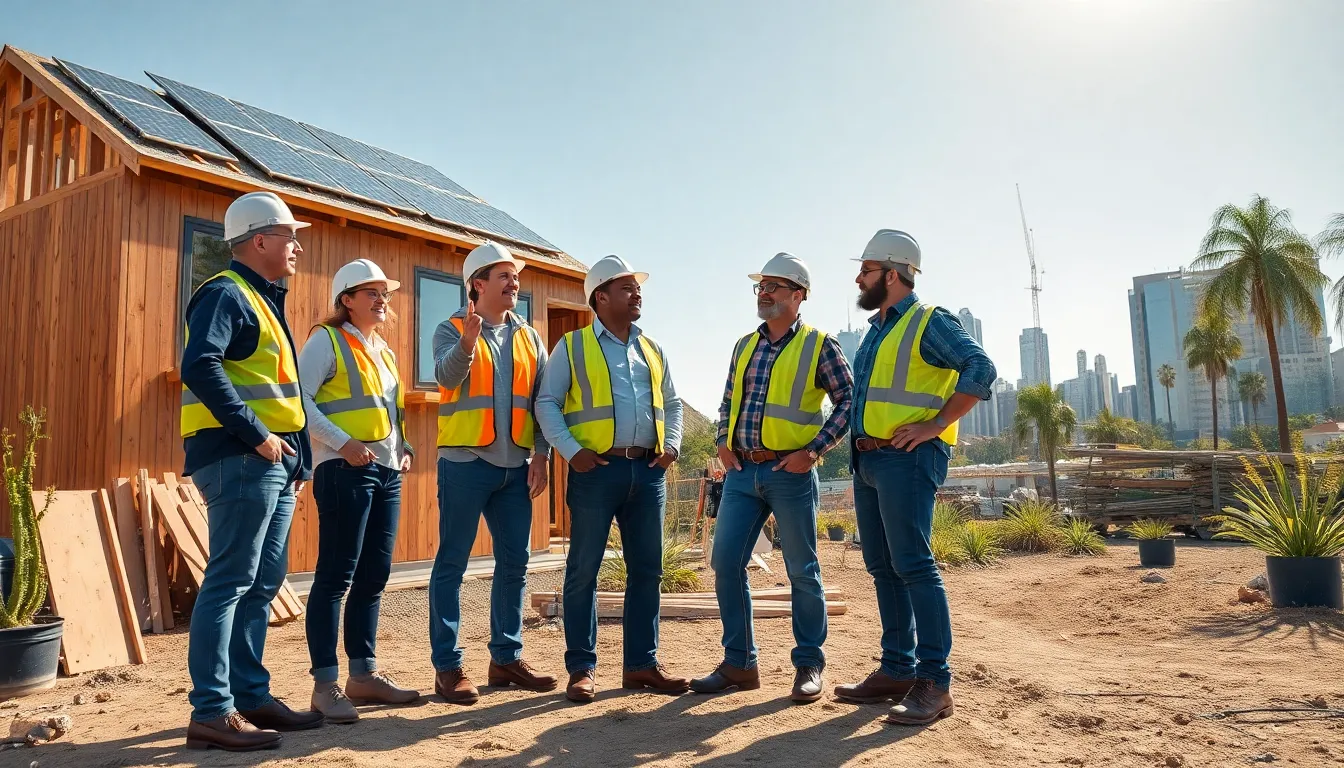
Imagine waking up in a home that not only supports your lifestyle but also contributes to a healthier planet. Yes, sustainable living is not just a trend: it’s a lifestyle choice that’s here to stay. Let’s jump into the world of sustainable living builders, those eco-warriors of construction who are turning our dreams of a greener future into reality. Buckle up, because this ride is going to be both informative and a little bit fun, after all, sustainability doesn’t have to come with a side of boredom.
Understanding Sustainable Living
Sustainable living revolves around minimizing our environmental impact while maximizing our quality of life. This concept encourages practices that help preserve natural resources for future generations. It goes beyond just recycling and conserving energy: it encompasses a way of life that harmonizes with nature. Everything from how food is sourced to how buildings are constructed plays a crucial part in this philosophy.
At its core, sustainable living encourages the use of renewable resources, energy efficiency, and waste reduction. This holistic approach fosters a healthier planet and promotes social and economic well-being. Whether through solar panels, rainwater harvesting, or using sustainable materials, every choice contributes to a larger environmental picture.
The Role of Builders in Sustainable Practices
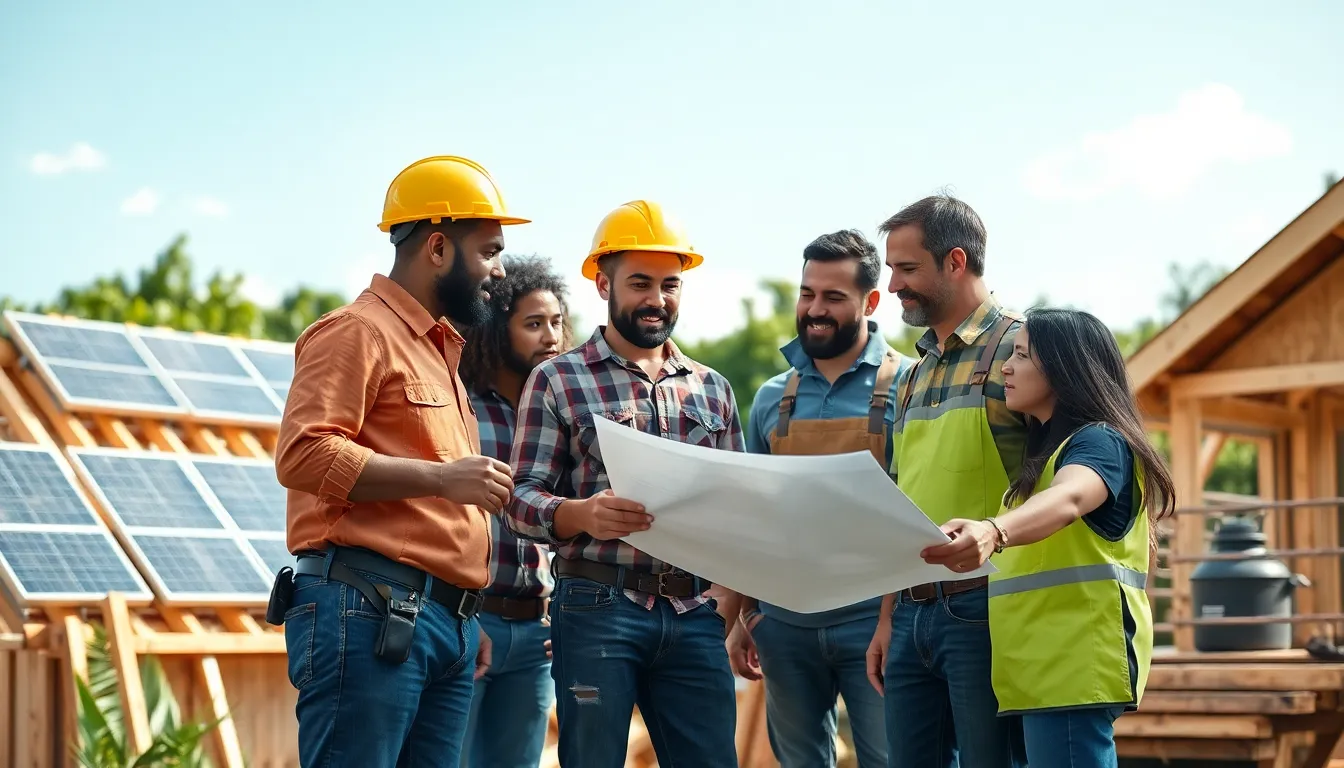
Sustainable living builders are pivotal in developing eco-friendly structures. Their role is not just about erecting walls and roofs. It’s about creating spaces that respect and enhance the environment.
These builders employ innovative techniques aimed at reducing carbon footprints. They play a crucial part in the entire construction process, from selecting sustainable materials to crafting energy-efficient designs. Their expertise helps integrate various sustainable technologies, fulfilling the dual purpose of aesthetic appeal and environmental responsibility. Also, they often collaborate with architects, homeowners, and local communities to tailor each project to the best sustainable practices available.
Key Elements of Sustainable Building
Several elements are essential for a building to qualify as sustainable. First and foremost, energy efficiency is paramount. Builders often use insulation materials, passive solar design, and energy-efficient windows to enhance a building’s energy performance.
Another key component is the choice of materials. Sustainable builders prefer to source materials locally and opt for those that are renewable or recycled whenever possible. This not only reduces transportation emissions but also supports local economies.
Water conservation strategies are also crucial. Techniques like permeable paving and rainwater harvesting systems help to minimize wastewater and maximize water reuse. Finally, sustainable designs incorporate indoor environmental quality, ensuring that materials used do not emit harmful chemicals or pollutants.
Choosing the Right Sustainable Living Builder
Selecting the right sustainable living builder can be the difference between a green dream home and an eco-nightmare. To begin, research is key. Look for builders who have a proven track record in sustainable construction and certifications that attest to their expertise.
Ask for references and view their previous projects. Do their finished homes reflect a commitment to sustainability? Equally important, engage with them in conversation. A good builder should be able to explain their processes and why they’re favorable from an environmental standpoint. Transparency is essential in this burgeoning field.
Finally, consider the long-term benefits. While choosing a sustainable builder may require a higher initial investment, the long-term savings on utility bills and the increased home value should not be overlooked.
Case Studies: Successful Sustainable Living Projects
Looking at successful case studies can provide valuable insight into the possibilities of sustainable living architecture.
Eco-Mode House: Located in California, this project features solar panels, green roofs, and high-grade insulation. Built with an emphasis on minimal environmental impact, it showcases how effective home design can lead to remarkable energy savings.
The Zero Energy House: In this project, builders utilized innovative materials and designs to create a home that produces as much energy as it consumes. This impressive feat demonstrates the power of sustainable technology in residential development.
Such examples not only highlight successful implementations but offer inspiration for future projects. They illustrate that sustainable building does not have to sacrifice comfort or style.
Challenges and Innovations in Sustainable Building
Even though the promising benefits of sustainable living construction, challenges persist. Cost remains a significant barrier, as many eco-friendly materials and technologies can be expensive. Builders must navigate local regulations and zoning laws that may not support sustainable practices, creating additional hurdles.
But, innovation is continually reshaping the landscape of sustainable construction. From advanced prefabrication techniques to 3D printing with sustainable materials, technology is paving the way for more efficient building practices. The development of low-cost solar solutions and energy-efficient appliances is also making sustainable living more accessible for the average consumer.
The Future of Sustainable Living Construction
The future of sustainable living construction looks promising. As awareness of climate change grows, so does the demand for sustainable practices in all sectors, including construction. Builders are increasingly turning toward innovative solutions, such as advanced building materials that store energy or smart home technology that monitors and reduces energy use.
Besides, government incentives for sustainable building practices are becoming more common, helping to subsidize costs and encourage wider adoption. With the rise of urban sustainability initiatives, communities are increasingly looking at integrating green building practices into their local development plans.
As these trends continue, it’s likely that sustainable living will become the norm, transforming how we think about housing and environmental responsibility.