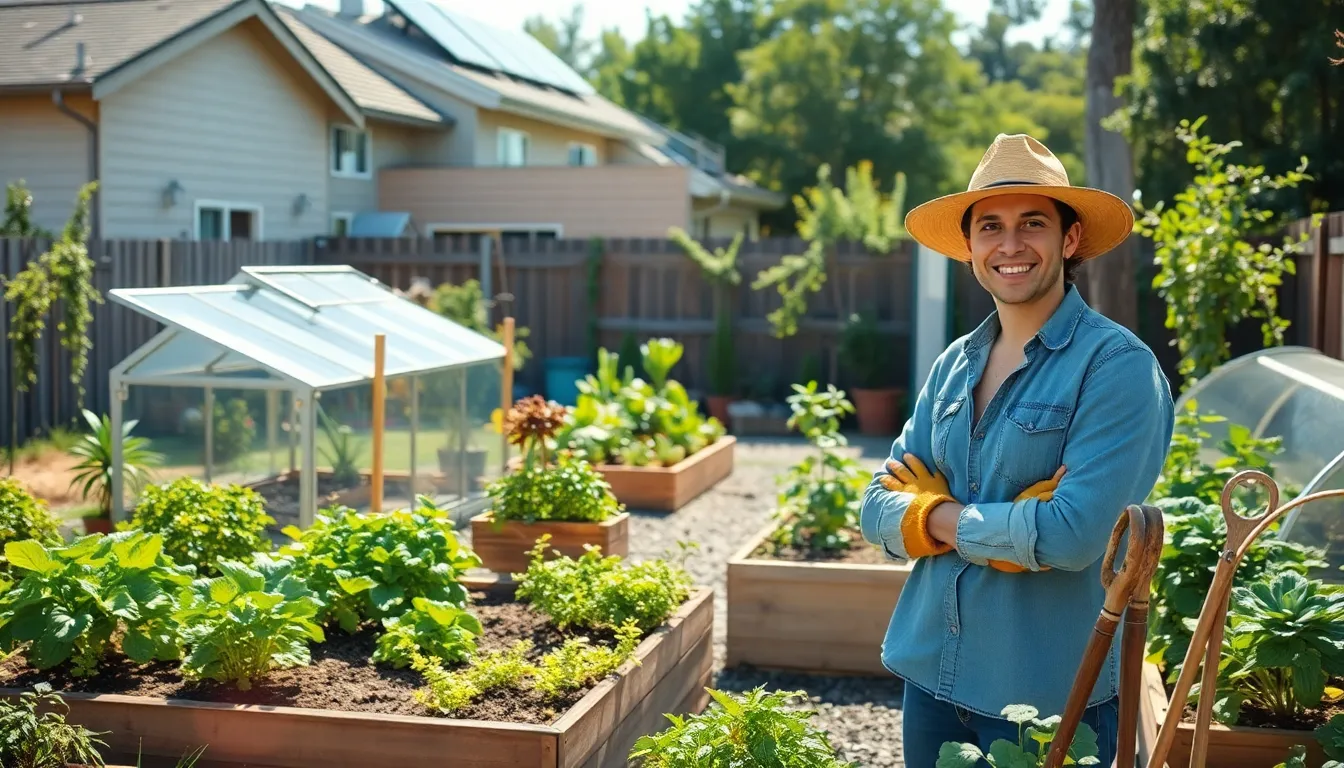
Imagine waking up every day, sipping your morning coffee while looking out at a garden that feeds you. You have the power to live on your terms, without constantly relying on external sources. Sounds dreamy, right? Welcome to the world of self sustainable living. This practice is not just for eco-warriors or off-grid enthusiasts: it’s a pathway toward a balanced existence that promotes health, happiness, and environmental responsibility. In a landscape filled with fast food and even faster lifestyles, the idea of being self-sufficient is both captivating and, with the right strategies, totally achievable. So, let’s jump into how self sustainable living can reshape the way we approach life.
What Is Self Sustainable Living?
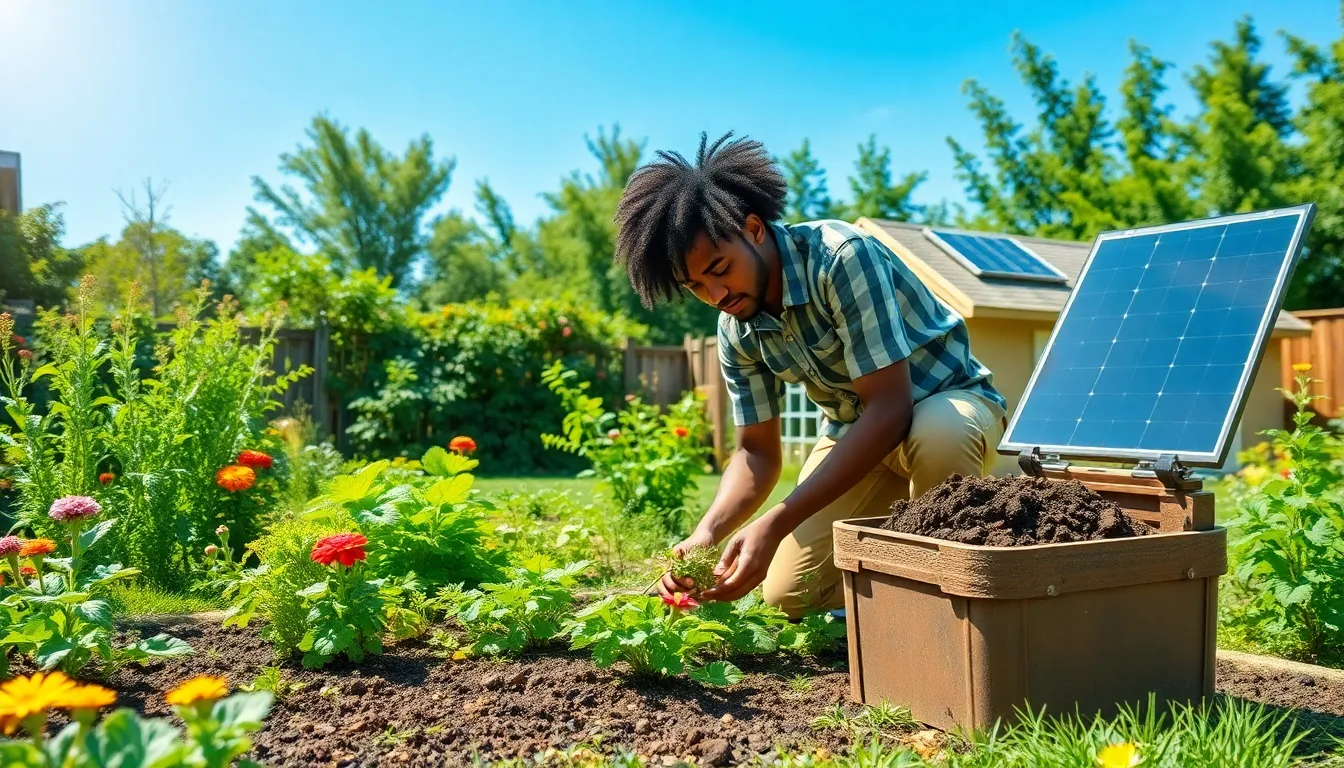
Self sustainable living refers to an approach where individuals or communities rely on their own resources to meet their daily needs. Think of it as creating a mini-ecosystem where one incorporates strategies to minimize dependency on outside systems. This lifestyle can manifest in numerous ways, growing food, using renewable energy sources, or even embracing rainwater harvesting. The core idea revolves around efficiency: it’s about maximizing what one has while reducing waste. For instance, someone who practices self sustainable living might use compost from their kitchen scraps to nourish their garden instead of tossing food waste in the garbage. In essence, self sustainable living is about crafting a lifestyle that nurtures independence, health, and environmental stewardship.
Benefits of Self Sustainable Living
The advantages of self sustainable living are both vast and impactful. Firstly, it fosters a profound sense of independence. By producing your own food, you lessen reliance on grocery stores and the fluctuating prices of market goods, which can feel like a rollercoaster ride. Then, there’s the financial aspect. Over time, growing your own vegetables and raising chickens can significantly cut down on grocery bills. Besides, this lifestyle enhances environmental health. The reduction in carbon footprint from decreased transportation needs means cleaner air and a more sustainable planet. It’s not just about saving money, though: embracing self sustainability also creates community connections. Neighbors often trade produce, share resources, or offer advice, enriching social bonds. All in all, self sustainable living leads to healthier, happier lives.
Key Principles of Self Sustainable Living
Embracing self sustainable living involves several guiding principles that empower individuals to thrive. Here are a few essential tenets:
- Resourcefulness: Adaptability is vital: using materials at hand while thinking creatively can solve many needs without overspending.
- Efficiency: Every action should minimize waste. Whether it’s reusing materials or practicing energy conservation, efficiency is key to sustainability.
- Biodiversity: Planting a variety of crops attracts beneficial insects and helps manage pests naturally. This reduces the need for harmful pesticides.
- Local Sourcing: Whenever possible, choose local products or perform trades within the community to support local economies and reduce transportation energy.
- Interdependence: It’s essential to recognize that while self sustainability emphasizes independence, it thrives on community support and shared resources.
Steps to Achieve Self Sustainable Living
Transitioning to self sustainable living might feel like climbing a mountain, but every journey begins with a single step. Here’s how to take that leap:
- Assess Your Needs: Identify what resources you rely on the most. Is it food, energy, or water? Prioritizing will help you create a roadmap.
- Start a Garden: Begin with easy-to-grow plants like herbs and salad greens. You don’t need a vast space: containers work just fine.
- Compost: Start composting food scraps to enrich your soil. This economically converts waste into essential nutrients for your garden.
- Learn Skills: Equip yourself with essential skills, like gardening, basic carpentry, or even canning. Knowledge is your best tool.
- Invest in Renewable Energy: Consider solar panels or wind turbines. This reduces reliance on fossil fuels while lowering energy costs in the long run.
- Network with Others: Connect with like-minded individuals. Community support can be invaluable, from advice to resource sharing.
Challenges and Solutions in Self Sustainable Living
Of course, the path to self sustainable living isn’t always smooth. Here are some common challenges and their solutions:
- Time Investment: Growing your own food and learning new skills takes time. The solution? Start small. Begin with just a few plants or tasks, gradually expanding as you become comfortable.
- Initial Costs: Setting up systems like rainwater harvesting or renewable energy can require upfront investment. Consider phased approaches and research grants or incentives.
- Pest Management: Nature often comes with uninvited guests. Use organic solutions and encourage beneficial insects. A healthy ecosystem naturally balances pest populations.
- Isolation: Self sustainable living can sometimes feel lonely. Combat this by attending local workshops or joining online forums to find support and camaraderie.
Tools and Resources for Self Sustainable Living
There’s a treasure trove of resources available to help anyone embrace self sustainable living. Some essential tools include:
- Gardening Tools: A good set of trowels, pruners, and a watering can are indispensable.
- Composting Kit: Invest in a compost bin or worm bin to manage organic waste effectively.
- Rain Barrels: Installing rain barrels can store water for irrigation, minimizing reliance on municipal sources.
- Solar Kits: Many portable solar kits are available to help power small appliances or charge batteries, making it easier to use renewable energy.
- Books and Online Courses: There are countless resources available, from traditional gardening books to online platforms that offer courses in self sustainable practices. Learning from experts can supercharge one’s journey.