
In a world where privacy seems as elusive as a unicorn, keeping your iPhone under wraps can feel like a full-time job. Every app, every click, and every swipe could be tracked, analyzed, and sold to the highest bidder. But fear not! With a few clever tweaks, you can turn your iPhone into a fortress of solitude, where nosy tech giants can’t peek in.
Imagine strolling through your digital life without the constant fear of being followed. It’s time to reclaim your privacy and show those trackers who’s boss. Whether it’s disabling location services or mastering the art of app permissions, this guide will equip you with the tools to keep your personal data safe and sound. Let’s dive into the fun and slightly rebellious world of iPhone privacy, where you can finally enjoy your device without the digital shadow lurking behind you.
Understanding Tracking on iPhone
Tracking poses significant challenges for iPhone users in today’s digital landscape. Various methods exist for collecting user data, impacting privacy and security.
Types of Tracking
Device tracking mainly occurs through GPS and Wi-Fi connections, allowing apps to pinpoint locations. Behavioral tracking follows users’ online activities, gathering data from web browsers and app interactions. Third-party tracking involves ad networks processing data to create targeted advertisements. Notably, tracking can also happen through social media platforms, where user interactions build comprehensive profiles. The prevalence of each tracking type contributes to users feeling monitored.
Why Tracking Matters
Tracking influences user experience and personal privacy directly. Companies utilize collected data to refine marketing strategies, enhancing ad relevance. Privacy breaches occur more often, leading to unauthorized access of sensitive information. Understanding these threats empowers users to make informed choices regarding their digital footprints. Ultimately, awareness of tracking implications encourages proactive privacy management on iPhones, promoting a secure online presence.
Privacy Settings on iPhone
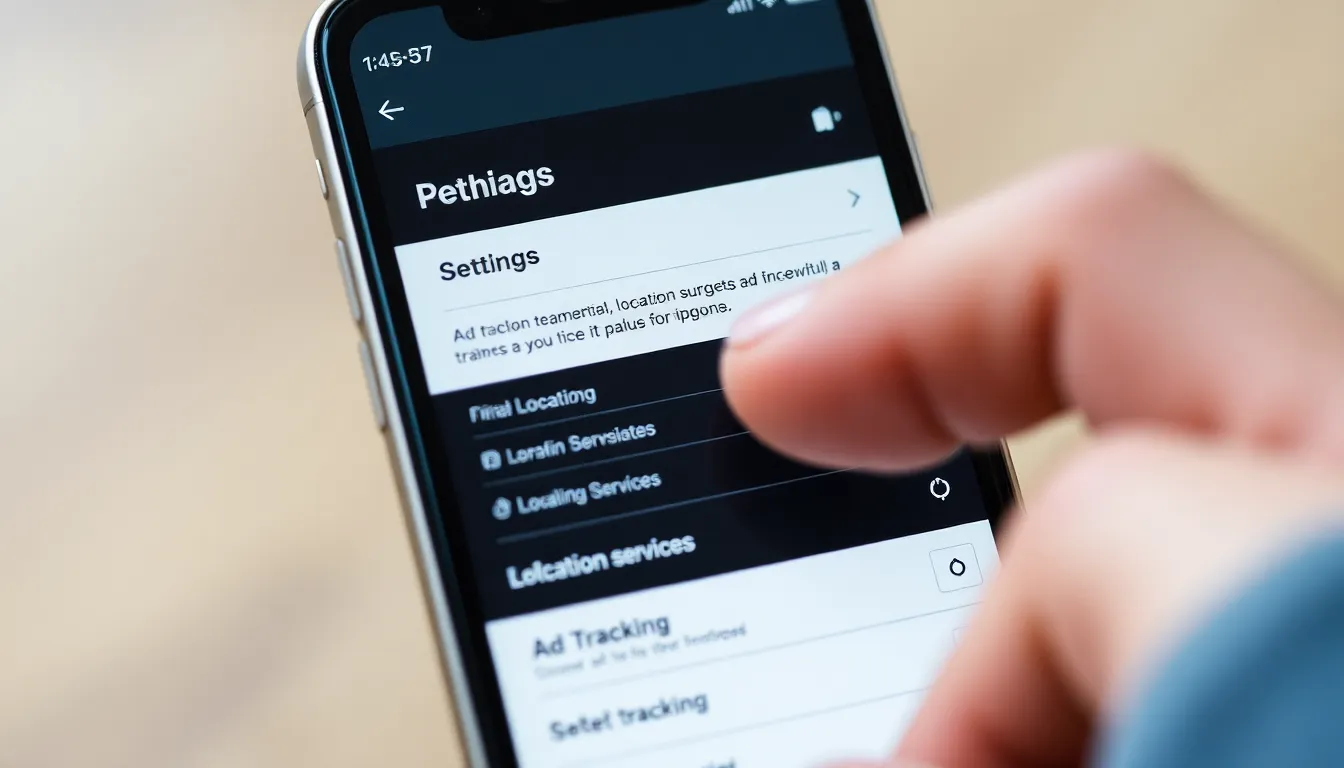
Enhancing privacy on an iPhone involves adjusting several settings. Users can take definitive steps to limit tracking and protect their personal data.
Managing Location Services
Managing location services helps reduce unwanted tracking. Users should navigate to Settings, select Privacy & Security, then tap Location Services. Here, they can disable location access for specific apps. Alternatively, they can set location access to “While Using the App” for apps that don’t need continuous tracking. Tracking can still occur even when location services appear turned off; therefore, reviewing location access regularly is crucial. This action minimizes exposure to location data, ultimately bolstering privacy.
Adjusting Ad Tracking
Adjusting ad tracking offers another layer of privacy protection. Access Settings, choose Privacy & Security, and select Apple Advertising. Users can turn off personalized ads, which limits ad networks from using their data to target them. Next, they can open Settings, tap Privacy & Security, and click on Tracking. Turning off “Allow Apps to Request to Track” means apps won’t ask for permission to track activity across other apps and websites. This adjustment effectively curtails data collection for advertising purposes, promoting a more private experience.
Using Third-Party Apps
Third-party apps can enhance privacy on an iPhone by offering features designed to limit tracking and protect personal data. Many users rely on these applications to add layers of security beyond standard settings.
Recommendations for Privacy-Focused Apps
Signal encrypts messages and calls to prevent unauthorized access. DuckDuckGo offers a private web browsing experience, blocking trackers automatically. Bitwarden provides secure password management with encrypted storage. Each of these apps prioritizes user privacy by minimizing data collection while ensuring robust functionality.
Setting Up Privacy Apps
Setting up privacy apps involves straightforward steps to enhance iPhone security. First, download the desired app from the App Store. Next, follow in-app prompts to configure privacy settings based on personal preferences. Users can connect these apps to system settings, ensuring comprehensive protection. Regularly reviewing permissions enhances effectiveness, helping maintain a secure digital environment.
Additional Tips for Enhanced Privacy
Improving privacy is crucial for iPhone users. Below are effective strategies to further bolster security.
Regularly Updating Software
Keeping software up to date strengthens security against vulnerabilities. iPhone users should enable automatic updates to ensure they receive the latest security patches. Outdated software can become an easy target for attackers, making regular updates essential. Check for updates manually by navigating to Settings, then General, and selecting Software Update. Users should also update third-party apps from the App Store regularly to maintain optimal protection.
Being Cautious with Public Wi-Fi
Public Wi-Fi networks often pose risks to privacy. Connections to these networks can expose personal data to potential hackers. Users should avoid accessing sensitive accounts, such as banking or shopping, while on public Wi-Fi. Using a virtual private network (VPN) can add an extra layer of security when connecting to such networks. Enabling “Ask to Join Networks” in the Wi-Fi settings can prevent automatic connections to untrusted networks.
Taking control of privacy on an iPhone is more achievable than many users realize. By understanding the tracking methods and implementing the suggested strategies, individuals can significantly reduce their digital footprint. Adjusting privacy settings and utilizing privacy-focused apps can create a safer online experience.
Regularly reviewing permissions and staying updated with software enhancements are crucial steps in maintaining security. Avoiding public Wi-Fi for sensitive activities and considering a VPN can further bolster protection. With these proactive measures, users can navigate the digital landscape with confidence, knowing they have taken meaningful steps to safeguard their personal information.