
Picture this: you’re all set for a day of adventure, but your iPhone decides to play hide-and-seek with service. Frustrating, right? Whether you’re trying to catch up on social media or navigate your way through town, a lack of service can feel like being stranded on a deserted island. But don’t worry, getting that service back is easier than finding a Wi-Fi password at a coffee shop!
Understanding iPhone Service Issues
Experiencing service disruptions on an iPhone can hinder communication and connectivity. Several factors contribute to these issues.
Common Causes of Service Disruption
Network congestion often affects performance, particularly in busy areas where many users share the same tower. Weather conditions can also impede signals; heavy rain or snow might weaken connectivity. Poor signal strength results from distance from the nearest cell tower, especially in rural locations. Another factor is software glitches that can arise after updates, affecting network settings. Physical damage, such as a cracked screen or water exposure, can interfere with internal components, leading to service problems.
Diagnosing the Problem
To diagnose service issues, checking the carrier’s status in the area is essential. Network outages can arise and may not be due to the device. Restarting the iPhone often resolves minor glitches; simply powering it off for thirty seconds before turning it on can refresh connections. Inspecting settings plays a critical role as well; ensuring Airplane Mode is disabled and that the right network is selected can help restore service. Finally, running diagnostics through the iPhone settings may identify issues that require attention.
Basic Troubleshooting Steps
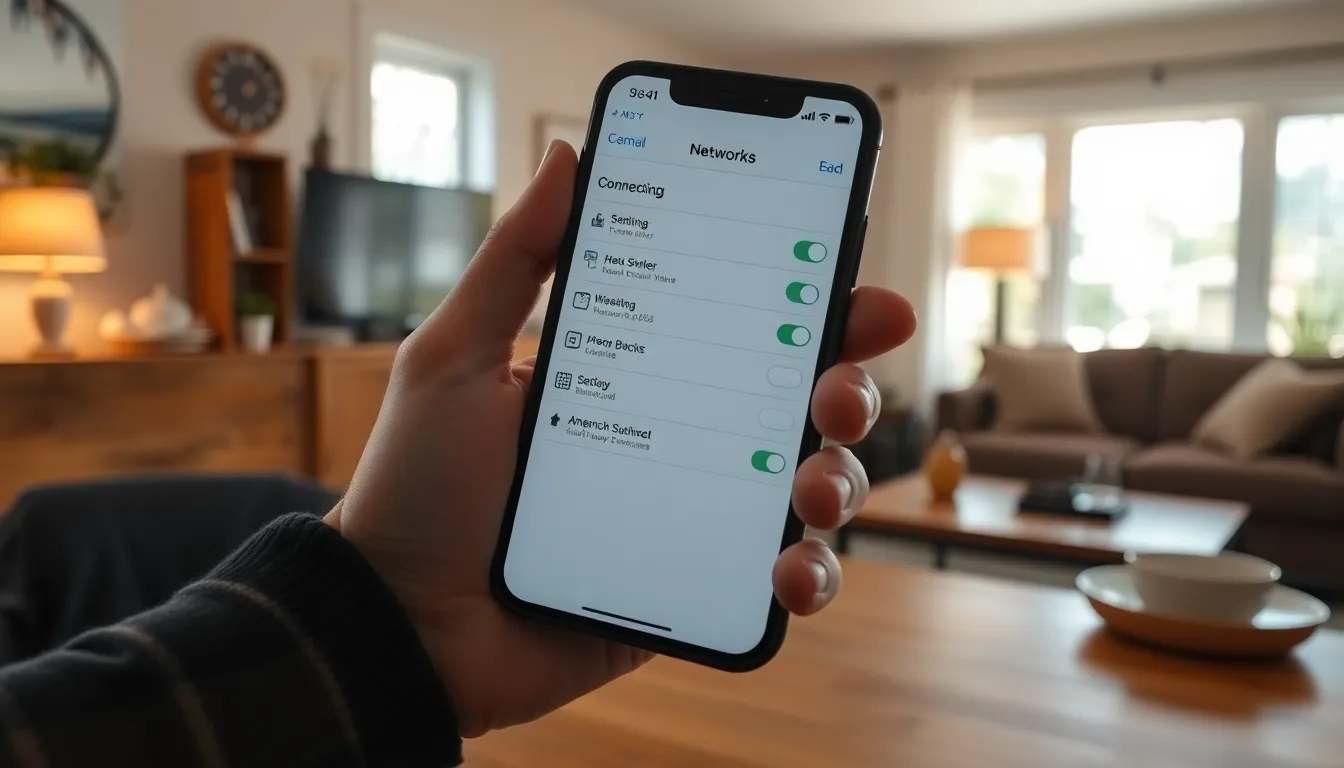
Troubleshooting an iPhone that can’t find service often involves several straightforward steps. Following these initial measures can lead to quicker resolution and a smoother experience.
Restarting Your iPhone
Restarting the iPhone often resolves connectivity issues. Press and hold the power button until the slider appears. After dragging the slider to power off, wait for about 30 seconds before turning the device back on. A simple reboot refreshes network settings and clears temporary glitches. Users frequently find this method restores service without further complications.
Checking for Airplane Mode
Airplane mode might unintentionally activate and disrupt signal reception. Open the Control Center to verify if the airplane icon is illuminated. If it’s on, tap the icon to disable it. Ensuring that this mode is off often restores cellular connectivity immediately. Double-checking this setting can save time during troubleshooting and prevent missed calls.
Inspecting SIM Card
Inspecting the SIM card can reveal physical problems causing connectivity issues. Remove the SIM tray using a paperclip or the SIM eject tool. After removing the card, examine it for signs of damage or dust. Cleaning the card and re-inserting it properly often resolves signal problems. Some users find that replacing the SIM card with a new one resolves persistent issues smoothly.
Advanced Solutions
Advanced troubleshooting methods can enhance the chances of restoring service on an iPhone. Users can explore several effective strategies beyond basic measures.
Updating iOS
Keeping iOS updated ensures access to the latest features and bug fixes. New updates often include necessary improvements for connectivity and performance. To check for updates, users should navigate to Settings, select General, and tap on Software Update. If an update is available, downloading and installing it can resolve underlying software issues that affect service. Regularly updating iOS can prevent connectivity problems and improve overall device functionality.
Resetting Network Settings
Resetting network settings can restore all network-related options to their default state. This process often resolves issues caused by incorrect configurations or glitches. To reset, users can go to Settings, then tap on General, followed by Transfer or Reset iPhone, and select Reset Network Settings. The iPhone will restart, and users will need to re-enter Wi-Fi passwords. Performing this reset can effectively clear persistent connectivity problems and restore service.
Contacting Your Carrier
Contacting the carrier might be necessary if service issues persist despite other efforts. Carrier support teams are well-equipped to identify network outages and account issues. Users can reach out via the carrier’s website, call customer service, or utilize their app for assistance. Providing specific details about the problem facilitates faster resolution. Engaging with the carrier can clarify service disruptions and restore connectivity more efficiently.
When to Seek Professional Help
Sometimes resolving service issues on an iPhone requires professional assistance. Certain signs indicate when it’s time to seek expert help for your device.
Visiting an Apple Store
Experiencing ongoing service problems prompts a visit to an Apple Store. Apple technicians possess the expertise to diagnose hardware and software issues directly. Customers can book an appointment through the Apple Support app or website for a smooth experience. While there, technicians analyze the device’s performance and check for any physical damage. Having your device inspected can prevent future issues and ensure service reliability.
Using Apple Support Resources
Utilizing Apple Support resources offers another solution for persistent service problems. The official Apple website provides access to troubleshooting guides that cover various issues. Additionally, users can engage with live chat support for real-time assistance. Apple’s support app delivers personalized recommendations based on the device’s symptoms, further guiding users toward resolution. These resources ensure that users can address problems efficiently without needing to visit a physical store.
Restoring service on an iPhone doesn’t have to be a daunting task. By following the outlined troubleshooting steps users can quickly identify and resolve connectivity issues. Whether it’s a simple restart or checking for software updates these actions can make a significant difference.
For more persistent problems seeking assistance from the carrier or visiting an Apple Store can provide additional support. With the right approach users can regain reliable service and stay connected without unnecessary frustration.