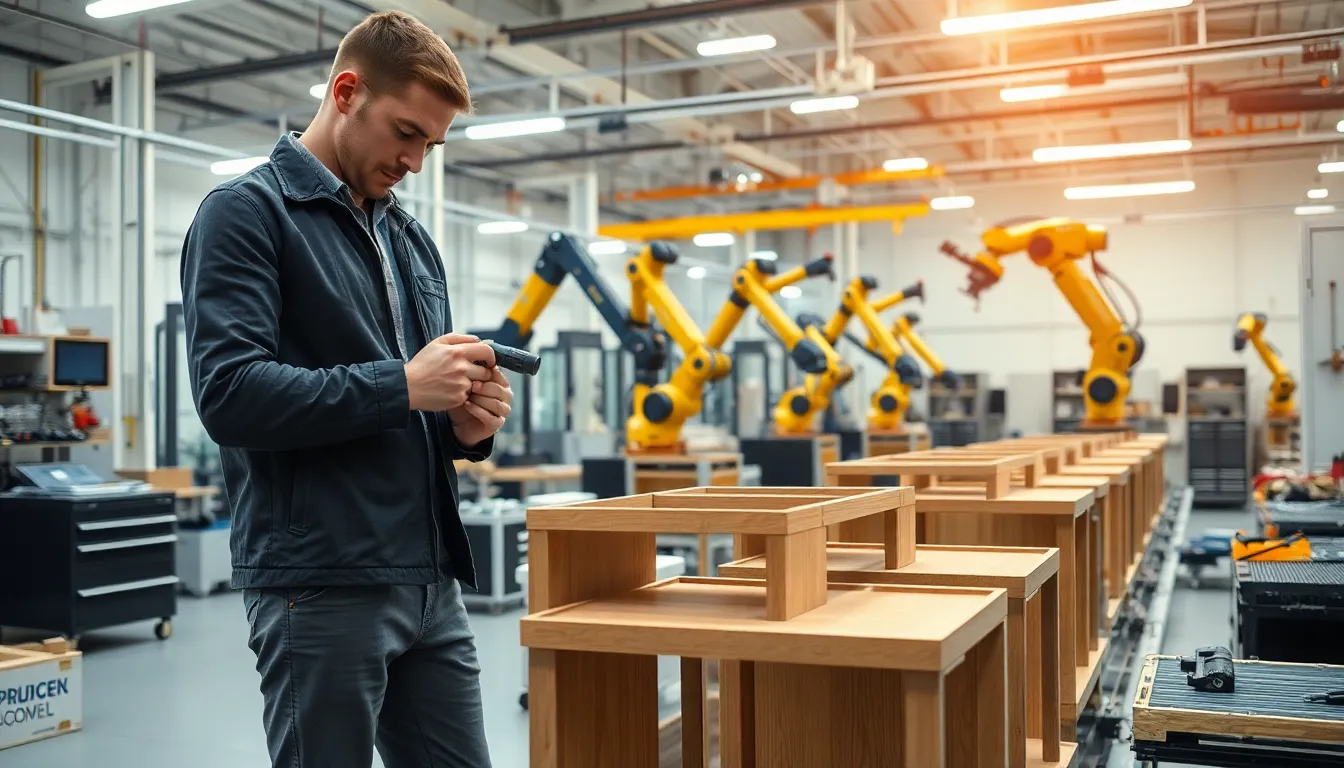
Ever tried assembling furniture and wondered if IKEA was secretly run by a bunch of mad scientists? If so, you’re not alone. Product assembly may seem as straightforward as stacking blocks, but it hides complexities that can puzzle even the most seasoned DIY enthusiasts. While one person’s easy-peasy might be another’s brain-buster, understanding the nuances of product assembly can turn potential chaos into smooth sailing. Whether you’re a business owner, a curious consumer, or just someone looking to tackle that weekend project, this comprehensive guide will investigate into the intriguing realm of product assembly. So grab your toolbox and your sense of humor: we’re about to get started.
Understanding Product Assembly Processes
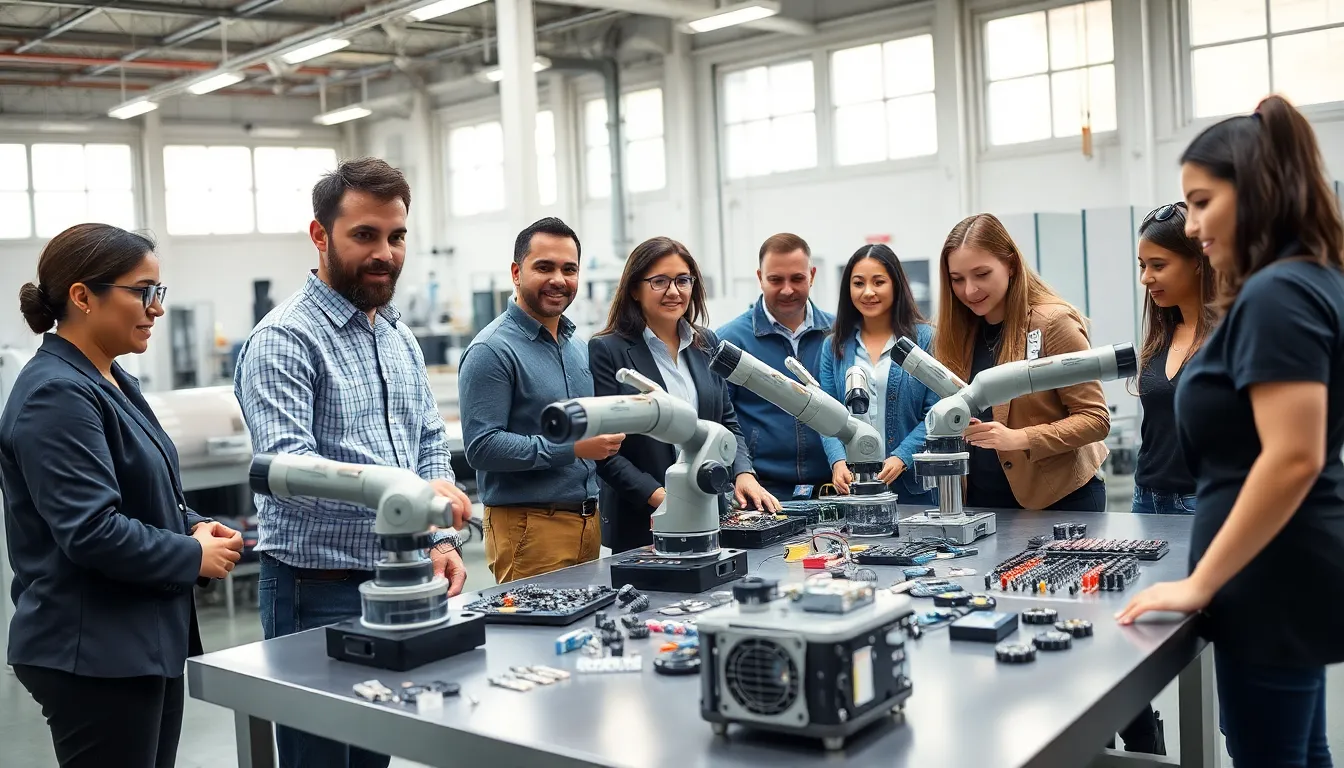
In the realm of manufacturing, product assembly is a crucial stage where various parts come together to create a final product. This process isn’t just about fitting pieces together: it involves a systematic approach that can significantly impact efficiency and quality. Workers and machines play roles, coordinating efforts to ensure precision and effectiveness.
Understanding the flow of assembly can be likened to a well-orchestrated dance. Each dancer, whether human or robotic, must be in sync with others, ensuring that each component is correctly placed without missing a beat. Assembly might start with sourcing materials, such as plastic parts, metal components, or electronic assemblies. The next step typically involves organizing these parts, often referred to as pre-assembly. Once sorted, the actual assembly commences, involving fastening, soldering, or other methods to secure components together.
Also, assembly processes can differ depending on the final product. For instance, electronics may require precision placement of tiny components, while larger items like furniture might focus on sturdiness and ease of assembly. These steps ensure that products not only look good but function well, making the assembly process a foundational aspect of manufacturing.
Different Types of Product Assembly
When it comes to product assembly, variety reigns supreme. It isn’t a one-size-fits-all scenario: different industries employ unique assembly types tailored to their specific needs. Here’s a quick overview of the most common types:
- Manual Assembly: This technique relies on human labor, where workers assemble parts by hand. It’s often employed for products that require a high level of craftsmanship or intricate detail.
- Automated Assembly: Here, machines take center stage, utilizing robotic arms or conveyor belts to speed up the assembly process. This type excels in mass production environments, ensuring consistency and efficiency.
- Semi-Automated Assembly: This approach combines manual and automated methods, allowing machines and humans to collaborate. Workers might perform critical operations while machines handle repetitive tasks, striking a balance between efficiency and precision.
- Just-In-Time Assembly: This strategy minimizes inventory costs by assembling products only as needed, reducing waste. It’s particularly prevalent in industries like automotive manufacturing, where timelines are crucial.
- Modular Assembly: Think of this as assembling furniture with interchangeable parts. Products are designed in modules, making it easier to replace or upgrade components without starting from scratch.
Essential Tools and Equipment for Assembly
To master the art of product assembly, one must be equipped with the right tools and equipment. Depending on the type of assembly, these essentials can range from basic hand tools to sophisticated machinery.
Step-by-Step Product Assembly Techniques
- Screwdrivers and Wrenches: These trusty sidekicks are a must-have for assembling most products, from furniture to electronics. A variety of sizes ensures compatibility with different screws and nuts.
- Pliers: Ideal for gripping and manipulating materials, pliers come in handy for many assembly tasks, from bending wires to holding components in place.
- Power Tools: Drills, nail guns, and impact drivers can significantly speed up the assembly process, especially for larger items. It’s crucial to understand how to use these tools effectively and safely.
- Assembly Jigs and Fixtures: These specialized tools help align and hold components securely during assembly, enhancing precision and reducing errors. They are particularly beneficial in high-volume production settings.
- Personal Protective Equipment (PPE): Safety is paramount in assembly environments. Hard hats, safety goggles, and gloves protect workers from potential hazards, ensuring a safe workspace.
- Ergonomic Tools: These tools reduce strain on the body during assembly. Comfort plays a significant role, especially in long assembly lines.
Having the right tools not only facilitates a seamless assembly experience but also enhances the quality of the final product.
Quality Control in Product Assembly
Quality control is the unsung hero of product assembly. It’s the final checkpoint that ensures products meet quality standards before hitting the market. Implementing these controls can save businesses from costly recalls and damaged reputations.
Typically, quality control involves several stages:
- Inspections: As assembly progresses, parts are continuously inspected for defects. This can happen at various points throughout the process, ensuring that any issues are identified and corrected promptly.
- Functional Testing: Before products are packaged, they undergo rigorous testing to ensure they function correctly. For electronics, this might mean checking circuitry, while furniture might be stress-tested for durability.
- Final Audits: After assembly, a final audit assesses the entire batch, confirming that every product meets detailed specifications before shipping.
Implementing effective quality control measures fosters trust with customers and reinforces brand reputation. Quality should never be an afterthought: it’s a core aspect of successful product assembly.
Common Challenges in Product Assembly
Even though best efforts, product assembly isn’t without its challenges. Identifying and addressing these hurdles can streamline operations and enhance overall productivity. Here are some of the most prevalent issues:
- Part Misalignment: When components don’t fit together correctly, it can cause delays and rework. Regular inspections during assembly can mitigate this risk.
- Material Shortages: Unexpected shortages can halt production, leading to time and financial losses. Building strong relationships with suppliers is crucial to avoid these disruptions.
- Workforce Training: Inadequate training can lead to mistakes and inefficiencies. Continuous training programs keep workers updated on best practices and new technologies.
- Equipment Malfunction: Mechanical failures can grind assembly to a halt. Regular maintenance and quick access to replacements can minimize downtime.
- Communication Gaps: Miscommunication between teams can lead to errors. Establishing clear channels for information can enhance collaboration and ensure everyone is on the same page.
Future Trends in Product Assembly
The landscape of product assembly is constantly evolving. Innovations in technology and processes are shaping the practices of tomorrow. Here are several trends to keep an eye on:
- Smart Factories: The rise of the Internet of Things (IoT) is leading to smarter factories, where machines communicate and optimize processes autonomously. This interconnectedness enhances efficiency and reduces waste.
- Robotics and Automation: Advanced robotics are replacing traditional assembly methods in many industries. Collaborative robots, or cobots, work alongside human operators, boosting productivity without compromising quality.
- Sustainable Practices: As awareness of climate change grows, companies are adopting sustainable practices in product assembly. This includes using eco-friendly materials and optimizing processes to reduce waste.
- Additive Manufacturing: Also known as 3D printing, this technology is revolutionizing the way parts are made. It allows for faster prototype development and customization, making it an exciting addition to the assembly landscape.
- Remote Monitoring: With the help of AI and data analytics, manufacturers can monitor assembly processes in real-time, allowing for immediate adjustments and performance improvements.