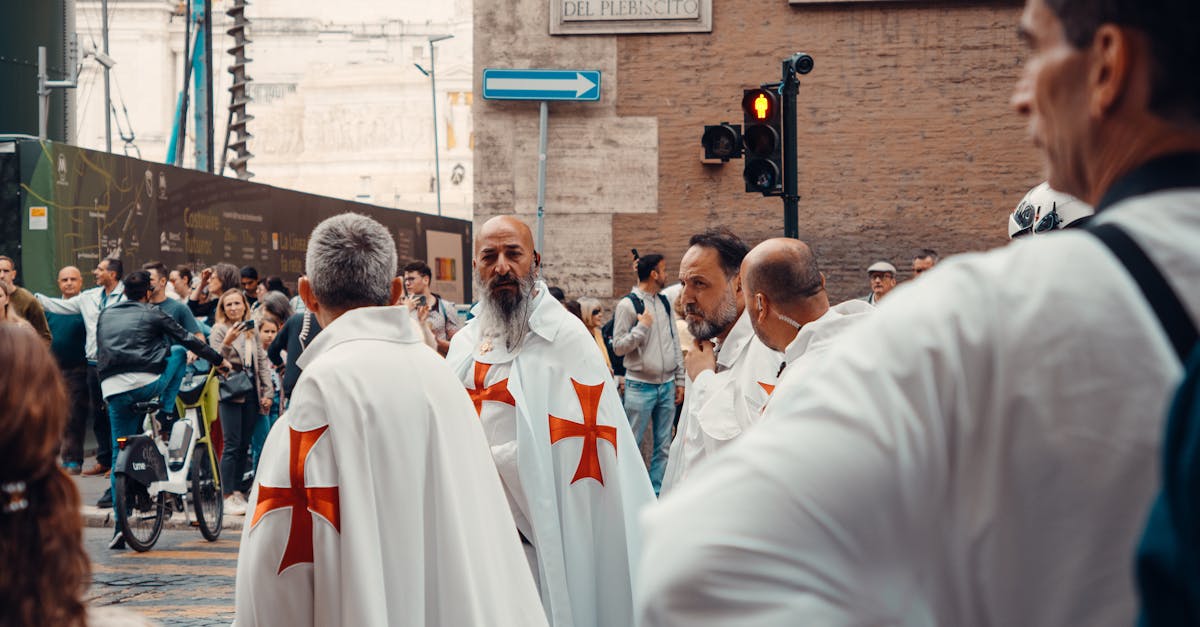
Italy isn’t just a country; it’s an experience that dances on the palate and sings in the soul. From the tantalizing aroma of fresh pasta wafting through sun-kissed piazzas to the vibrant festivals that seem to burst from every corner, Italian culture is a delightful tapestry woven with centuries of history, art, and passion.
Imagine sipping espresso while discussing life’s mysteries with a gesticulating local or losing track of time at a lively family gathering filled with laughter and, of course, enough food to feed a small army. Each tradition, whether it’s the enchanting rituals of Carnevale or the sacred art of making the perfect pizza, invites everyone to embrace la dolce vita. Join the journey as we explore the rich traditions that make Italy a timeless treasure.
Table of Contents
ToggleOverview of Italian Culture and Traditions
Italian culture encompasses various aspects, including art, cuisine, music, and social customs. Each region contributes unique flavors and traditions. Culinary practices, such as pasta-making and regional dishes, highlight the significance of fresh, local ingredients. Family gatherings revolve around large meals, emphasizing the importance of sharing and togetherness.
Art remains a cornerstone of Italian heritage. Italy hosts masterpieces from renowned artists like Michelangelo and Leonardo da Vinci. The country’s numerous museums and galleries showcase this rich artistic legacy. Festivals such as Carnevale involve vibrant costumes, parades, and traditional music, celebrating local customs and fostering community spirit.
Religious traditions play a pivotal role in everyday life. Italy’s predominantly Catholic population observes significant rituals, including Christmas and Easter. Religious festivals often blend sacred and secular elements, inviting participation from all, regardless of belief.
Social interactions reflect Italian values, highlighting warmth and hospitality. Conversations are animated, often featuring gestures that express feelings and reinforce connections. Personal relationships prioritize face-to-face interactions, enhancing bonds within families and communities.
Wine and coffee are integral to Italian culture. Regions like Tuscany are famous for their vineyards and diverse wine selections. Espresso bars serve as social hubs, where locals meet to discuss daily life, reinforcing the communal spirit.
Italian traditions evolve while maintaining their essence. Contemporary practices blend seamlessly with historical influences. Engaging with Italy’s culture offers insights into a society that values creativity, family, and joy in everyday experiences.
Historical Influences
Italy’s history shapes its culture and traditions significantly. Various periods, from ancient civilizations to modern times, contribute to the rich tapestry of Italian life.
Ancient Rome and Its Legacy
Ancient Rome lays the foundation for Italy’s cultural identity. It introduced principles of architecture, law, and governance that continue to influence modern society. Public spaces, such as forums and amphitheaters, reflect Roman values of community and civic life. Language development is another key impact, with Latin evolving into the many dialects spoken today. Art and sculpture from this era set standards for beauty and craftsmanship, influencing generations of artists. Religious practices originating from Roman times also permeate contemporary Italian culture, intertwining traditions with the Catholic faith.
Renaissance Impact on Culture
The Renaissance marks a transformative era for Italy, igniting creativity and innovation. Regions like Florence become hubs of artistic expression, showcasing renowned figures such as Michelangelo and Leonardo da Vinci. This period emphasizes humanism, focusing on individual potential and secular themes in art and literature. Architectural advancements redefine urban landscapes, with magnificent structures reflecting the era’s grandeur. The impact of Renaissance ideas extends beyond art, influencing philosophy, science, and education. Festivals and traditions born from this flourishing period continue to celebrate Italy’s rich heritage, inviting visitors to experience its enduring legacy.
Regional Diversity
Italy’s regions present a tapestry of cultural diversity that enriches everyday life. Each area brings unique customs, traditions, and flavors that contribute to the country’s identity.
Northern Italy Traditions
Northern Italy showcases an array of traditions rooted in varied landscapes and historical influences. The region is famed for its culinary specialties, such as risotto and polenta, often featuring robust flavors from local ingredients. Festivals like the Venice Carnival stand out, celebrating intricate masks and vibrant costumes with centuries-old rituals. Alpine regions embrace folk music and dances, reflecting the area’s mountainous heritage. Additionally, craftsmanship in regions like Lombardy emphasizes artisanal products, including textiles and furniture. Family gatherings often center around hearty meals, bringing people together to share regional favorites.
Southern Italy Traditions
Southern Italy embodies warmth and vivacity through its traditions. Known for its rich culinary heritage, the region is famous for dishes like pizza and pasta alla norma, both celebrating local produce. Festivals such as the Tarantella dance and the Feast of San Gennaro highlight the lively spirit of Southern communities through music, food, and religious devotion. Local artisans preserve crafts like pottery and weaving, showcasing cultural pride. Family plays a central role, with large gatherings fostering bonds over shared meals. Religious practices often intertwine with everyday life, marking annual celebrations that bring communities together.
Culinary Heritage
Italian culinary heritage stands as a testament to the country’s rich history, vibrant culture, and regional diversity. Food serves as a bridge between generations, showcasing traditions passed down through centuries.
Iconic Italian Dishes
Pasta embodies the heart of Italian cuisine, featuring varieties like spaghetti, penne, and fettuccine. Pizza, originating from Naples, has become a global favorite, with its simple yet flavorful toppings. Risotto, primarily from Northern Italy, highlights the use of Arborio rice, celebrated for its creamy texture. Each region boasts unique specialties, such as osso buco from Lombardy and arancini from Sicily. These dishes not only reflect ingredients but also traditions, bringing families and friends together over shared meals.
Food and Family Traditions
Family gatherings center on lengthy meals filled with laughter and conversation. Sunday lunches often feature multiple courses, emphasizing the importance of connection and shared experiences. Traditional recipes are frequently steeped in history, with grandmothers teaching younger generations the art of cooking. Festivals often include communal feasts, showcasing local ingredients while reinforcing community bonds. Celebrating life’s milestones, food acts as a cultural touchstone, making it integral to Italian life and values.
Festivities and Celebrations
Italy’s vibrant culture comes alive through its numerous festivities and celebrations, deeply rooted in history and tradition. These events showcase regional diversity and strengthen community bonds.
Major Italian Festivals
Carnevale stands out as one of Italy’s most famous festivals, characterized by colorful masks and elaborate costumes. This pre-Lenten celebration draws crowds to cities like Venice and Viareggio, where parades and parties abound. Another significant event, Ferragosto, marks the Assumption of Mary and occurs on August 15. Families often spend this holiday near the coast, enjoying feasts and fireworks. Palio di Siena, a historic horse race, captivates visitors every July and August. This thrilling event features riders representing different city neighborhoods, racing around Siena’s Piazza del Campo.
Local Celebrations and Customs
Local celebrations reflect Italy’s cultural richness, with each region hosting unique traditions. In Florence, the historic Scoppio del Carro greets Easter with a fireworks display and a symbolic cart filled with fireworks. This event signifies the city’s hope for a good harvest. Meanwhile, in the south, Tarantella dances animate festivals like the Feast of San Gennaro, honoring the patron saint of Naples. Throughout the year, various sagre (food festivals) celebrate local cuisine, showcasing each region’s culinary heritage. These gatherings emphasize not just religion but also community spirit, forming the heart of Italian social life.
Art and Music
Art and music are essential elements of Italian culture, reflecting the country’s rich history and regional diversity.
Italian Art Movements
Italy’s artistic landscape showcases profound movements that shaped Western art. The Renaissance, which began in the 14th century, marked a shift towards humanism and realism, with iconic artists like Michelangelo and Leonardo da Vinci. Baroque art emerged in the 17th century, characterized by dramatic expressions and rich details, showcased by Caravaggio and Gian Lorenzo Bernini. Neoclassicism took root in the 18th century, emphasizing classical themes and forms. Modern movements also played significant roles, including Futurism, which celebrated technology and speed. Each artistic period contributed distinctive styles and philosophies, influencing generations of artists worldwide.
Traditional and Modern Music
Italian music reflects both historical depth and contemporary innovation. Traditions such as opera date back to the late 16th century, producing legendary composers like Verdi and Puccini. Folk music varies by region, featuring lively instruments like the accordion and tambourine. Contemporary genres emerged from these roots, with artists blending traditional melodies and modern beats. Popular music also flourished, featuring styles such as pop, rock, and electronic, influenced by both local and international trends. Each musical form showcases Italy’s vibrant cultural expression, celebrating its rich heritage while embracing innovation.
Italian culture and traditions present a vibrant tapestry woven from history and community. The warmth of family gatherings and the joy of shared meals embody the spirit of “la dolce vita.” Each region contributes unique flavors and customs that enrich the overall experience.
Festivals and celebrations not only honor historical roots but also strengthen community ties. Whether it’s the colorful Carnevale or local food festivals, these events reflect the heart of Italian life.
Art and music continue to shape Italy’s identity, showcasing a legacy that inspires creativity and passion. As traditions evolve they remain a testament to the enduring values of family, creativity, and joy that define the Italian way of life.