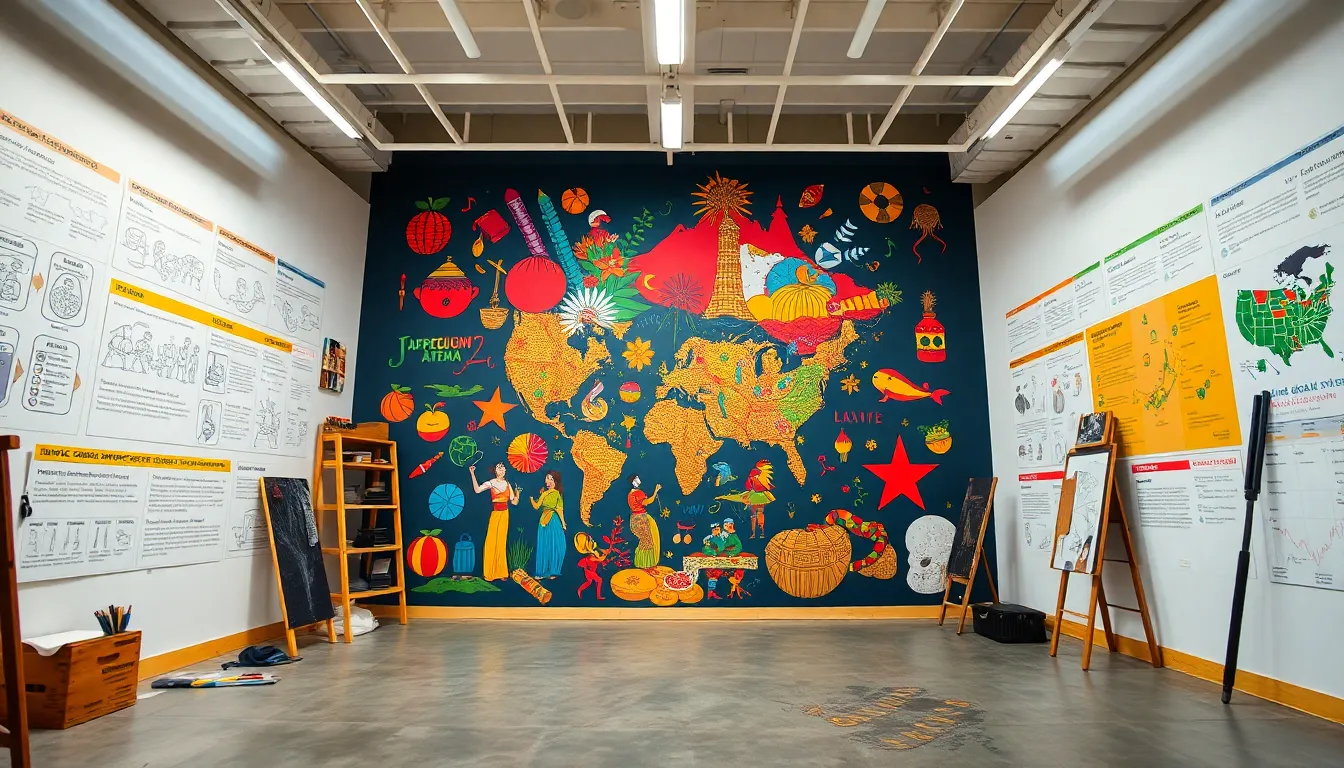
Ever wondered why your favorite sushi joint is now found in every corner of America? Or how the distinctive sounds of Afrobeat have infiltrated music charts around the globe? Enter cultural diffusion, an idea so powerful that it can turn local traditions into worldwide phenomena. In this text, we will jump into the vibrant world of cultural diffusion drawing, uncovering how cultures intermingle, adapt, and inspire one another. And here’s the kicker: it’s not just a fascinating academic concept: it’s a canvas filled with colors and stories that deserve to be illustrated. Let’s sketch our way through this captivating topic together.
Understanding Cultural Diffusion
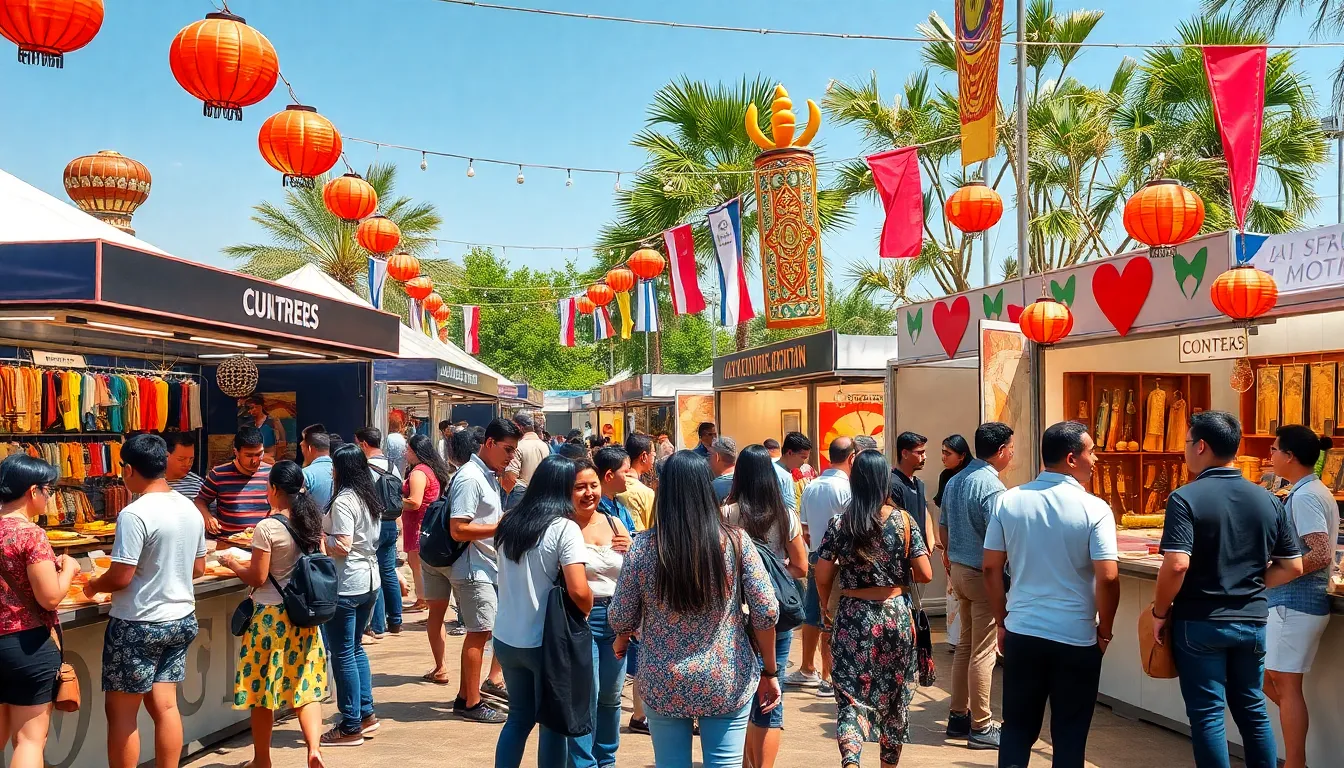
Cultural diffusion refers to the spread of cultural beliefs and social activities from one group to another. This process can occur in various ways, such as through migration, trade, or even the internet. Imagine people mingling at a festival, sharing food, music, and traditions. That’s cultural diffusion in action. This phenomenon has been occurring for centuries, shaping civilizations and altering the course of history.
Eventually, cultural diffusion enriches societies by introducing diverse perspectives, ideas, and practices. For example, consider how the Italian Renaissance was influenced by the art and knowledge from the Islamic Golden Age.
In essence, cultural diffusion is like blending two favorite flavors of ice cream: the outcome is something unique and scrumptious.
Types of Cultural Diffusion
Cultural diffusion manifests in several forms, each with distinct characteristics:
Direct Diffusion
This occurs when two cultures meet face-to-face, such as through migration or conquest. For instance, the Spanish colonization led to direct diffusion of cultural practices between Native Americans and Spanish settlers.
Indirect Diffusion
Indirect diffusion takes place when culture spreads through a third party. Think of it as a game of telephone. A prime example includes how African music influenced jazz through European musicians who integrated these sounds into their repertoire.
Stimulus Diffusion
Here, an idea from one culture stimulates a change in another culture without directly adopting that specific cultural element. For example, the adoption of yoga in Western countries, which has transformed traditional practices into a fitness routine.
Methods of Representing Cultural Diffusion
Visual art is a powerful tool for representing cultural diffusion. Artists use different methods to illustrate this fascinating exchange of ideas. Here are a few noteworthy approaches:
Artistic Maps
Creating maps can highlight the pathways through which cultural exchanges have occurred. Artists may depict routes taken by migrants or trade routes that facilitated the flow of ideas.
Illustrative Murals
Murals often tell stories. They can depict the fusion of different cultural elements, showcasing symbols, motifs, and practices that came together over time.
Infographics
Combining images with concise text is an effective way to represent cultural diffusion. Infographics can display statistics, timelines, or comparisons that reveal how cultural exchange has shaped societies.
Step-by-Step Guide to Creating a Cultural Diffusion Drawing
Creating a cultural diffusion drawing can be a rewarding experience. Here’s how to get started:
- Choose Your Concept
Select a specific cultural interaction or diffusion that intrigues you. This could be the influence of Asian cuisine on Western diets or the impact of African rhythms on popular music.
- Gather Research
Jump into history and gather information about your chosen topic. Look for images, symbols, and historical data to inspire your artwork.
- Sketch Your Layout
Begin by sketching a rough layout on paper. Consider where to place different elements to tell a compelling story.
- Choose Your Medium
Decide whether you want to use pencil, watercolor, markers, or digital tools. Each medium offers a unique way to express creativity.
- Incorporate Cultural Elements
Include symbols, clothing styles, food, or instruments that represent the cultures involved in the diffusion process.
- Add Color and Details
Bring your drawing to life with colors and fine details. Use cultural significance to guide your color choices, think about how certain colors represent specific meanings.
- Refine and Share
Once you’re happy with your piece, refine any details that need polishing. Then, share your artwork with others to illustrate the beauty of cultural diffusion.
Examples of Cultural Diffusion in Art
Various artists and movements have effectively showcased cultural diffusion.
Frida Kahlo
Frida Kahlo’s work beautifully merges Mexican culture with European influences, displaying her heritage through symbolism, vibrant colors, and unique self-expressions.
The Harlem Renaissance
This influential movement blended African American culture with European artistic frameworks, resulting in a rich tapestry of literature, art, and music that reshaped American culture.
Street Art
Modern street art often reflects a blend of international styles and messages. Artists from diverse backgrounds showcase their heritage while also addressing contemporary social issues.
The Impact of Cultural Diffusion on Society
The implications of cultural diffusion extend beyond mere artistic expressions. Its impact on society can be profound:
- Innovation and Creativity
Cultural diffusion sparks innovation. When diverse ideas converge, they yield new solutions and creative expressions, leading to societal progress.
- Social Cohesion
By embracing and understanding diverse cultures, societies foster inclusivity, promote empathy, and build stronger communities.
- Economic Development
As cultures exchange goods and services, economies can flourish. Think about how food trucks featuring fusion cuisines attract customers and revitalize neighborhoods.