
Cultural boundaries, they can sometimes feel like invisible lines drawn on the map of human interaction. Whether they manifest in language, customs, or social norms, their influence shapes how we understand each other. Have you ever noticed how a simple greeting varies from one country to another? While one culture flourishes with a hearty handshake, another thrives on a cheek-to-cheek kiss. This delightful yet perplexing array of cultural boundaries is what makes the world fascinating. Yet, even though their charm, these boundaries can spark misunderstandings and conflicts. In this text, we’ll dig into what cultural boundaries are, how they affect society, and explore ways we can bridge the gaps these boundaries create while keeping the laughs and insights coming.
Defining Cultural Boundaries
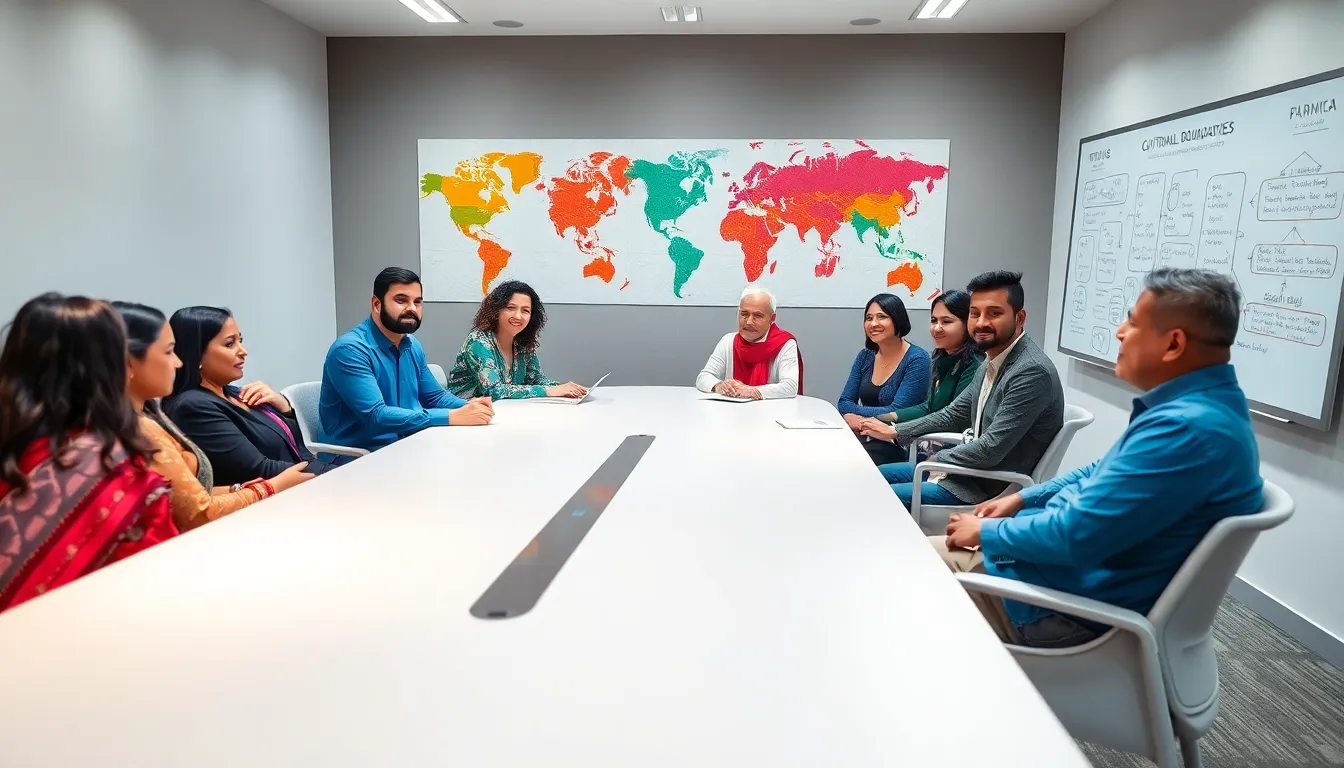
Cultural boundaries refer to the distinct lines that separate different cultures based on shared practices, beliefs, and values. Imagine them as the colorful tapestries of humanity’s diverse traditions. These boundaries can be visible, such as the spoken languages and attire that characterize specific groups, or they can be more subtle, like differing societal norms about personal space or communication styles. The beauty of cultural boundaries lies in their ability to foster a sense of identity while also creating uniqueness among communities. Essentially, they help answer the age-old question: “Who are we?”
To define cultural boundaries more effectively, one can consider several elements: historical context, religious practices, social customs, and even artistic expressions. Each of these factors shapes individuals and society as a whole, creating a rich mosaic that reflects humanity’s journey through time.
Types of Cultural Boundaries
Cultural boundaries come in various forms, reflecting the vibrant tapestry of human existence. Some significant types include:
- Geographical Boundaries: These are often marked by natural divisions, such as mountains, rivers, or oceans. For instance, the Andes Mountains create a natural cultural boundary between Peru and Chile.
- Linguistic Boundaries: Language acts as a primary means of communication and identity. Regions where distinct languages are spoken often harbor differing beliefs and cultural practices.
- Religious Boundaries: Different faiths can lead to distinct cultural practices and norms. The cultural differences between predominantly Christian and Muslim nations illustrate this clearly.
- Social Norms: A society’s expectations about behavior, such as etiquette or familial roles, create invisible lines that influence how individuals interact.
- Economic Boundaries: Wealth disparities can drive cultural divisions. People from affluent societies may have different lifestyles than those in lower-income regions, influencing cultural practices and perspectives.
Recognizing these types of cultural boundaries helps in nurturing a nuanced understanding of global diversity.
The Role of Geography in Shaping Cultural Boundaries
Geography plays a pivotal role in creating and maintaining cultural boundaries. The world is nothing short of a geographic jigsaw puzzle, and every area contributes to the rich complexity of culture. Indeed, geographical features can foster unique cultural expressions due to regions’ varied resources, climate, and terrain.
For instance, mountainous areas often cultivate vibrant, isolated traditions across different valleys. A study in the Himalayas shows that communities living in relatively close proximity have developed vastly distinct languages and customs due to geographic barriers. Conversely, flat and open plains can help interaction and blending of cultures, resulting in a melange of diverse cultural practices. Comprehending how geography shapes cultural boundaries enhances global comprehension and empathy.
Also, contemporary transportation and technology may blur geographical barriers, compelling us to reflect on how that will influence cultural boundaries in the future.
How Cultural Boundaries Affect Society
Cultural boundaries can significantly influence societal structure and individuals’ lives. They determine interactions, communication, and even economic relationships. They shape collective identities, often resulting in a sense of belonging. But, this can also lead to exclusionary practices that marginalize people who differ from the dominant culture.
For instance, consider how cultural boundaries can affect access to resources, education, and social mobility. In societies with rigid cultural boundaries, minorities may struggle to access educational opportunities or jobs simply due to their differing cultural practices. This can foster resentment and division within communities.
Also, cultural boundaries affect social etiquette. Misunderstandings may arise when individuals from diverse backgrounds interact, think of the awkwardness of a handshake versus a nod. Awareness of cultural differences enhances communication and fosters a more inclusive atmosphere.
Challenges and Conflicts Arising from Cultural Boundaries
As delightful as cultural diversity can be, it often comes hand in hand with challenges and conflicts. Misunderstandings rooted in differing cultural perceptions can lead to friction. Consider cross-cultural communication: an expression perceived as friendly in one culture may be perceived as intrusive in another.
Historical conflicts illustrate how deeply rooted cultural boundaries can foster division. Wars, oppression, and discrimination often stem from cultural misunderstandings or the desire to impose one culture over another.
Besides, globalization dramatically changes the landscape of cultural boundaries. While it encourages interaction and exchange, it also raises concerns about cultural homogenization, the fear that dominant cultures overpower smaller ones. The consequences of such dynamics can lead to an identity crisis for those whose cultural practices begin to disappear.
Bridging Cultural Boundaries: Strategies for Understanding
To foster understanding among diverse cultural groups, one must actively work to bridge these boundaries. Here are some strategies that can help promote harmony:
- Education: Incorporating cultural education in school systems helps cultivate respect for diverse traditions and practices. Lessons that highlight various cultures can foster awareness and understanding among students.
- Cultural Exchange Programs: These initiatives encourage interaction between various cultural groups, allowing individuals to learn firsthand about each other’s traditions. Exchanges create opportunities for meaningful conversations that can dissolve preconceived notions.
- Community Engagement: Hosting local events that celebrate cultural diversity can help create mutual respect and understanding. Involving community leaders in these initiatives promotes inclusivity.
The Future of Cultural Boundaries in an Increasingly Globalized World
The future of cultural boundaries is complex and evolving. As globalization becomes ever more pronounced, cultures find themselves intersecting at unprecedented rates. The merging of ideas, traditions, and practices brings both excitement and concern. On one hand, these interactions lead to enriched cultural experiences, offering new perspectives and forms of expression. Think fusion cuisine.
Conversely, there exists the risk of cultural loss as dominant cultures overshadow smaller communities. Balancing globalization with cultural preservation is vital. As societies become more interconnected, acknowledging, respecting, and celebrating diverse cultural identities will be essential for future harmony.