Colombia isn’t just a place on the map; it’s a vibrant tapestry woven from colorful traditions, rich history, and a dash of irresistible charm. From the infectious rhythm of cumbia to the tantalizing aroma of arepas sizzling on street corners, this South American gem invites everyone to dance along with its unique cultural beat.
Imagine sipping a cup of world-renowned Colombian coffee while surrounded by lively festivals that celebrate everything from flowers to the ocean. Each region boasts its own quirks and customs, making Colombia a delightful puzzle waiting to be explored. So buckle up and get ready to dive into a world where every tradition tells a story and every celebration is a reason to smile.
Table of Contents
ToggleOverview of Colombia Culture and Traditions
Colombia boasts a vibrant culture shaped by indigenous, African, and Spanish influences. This rich tapestry manifests in the country’s music, dance, art, and culinary traditions. Many people enjoy cumbia and vallenato music, both integral to Colombian identity. Festivities often center around these musical genres, infusing life into celebrations.
Dietary staples like arepas and bandeja paisa highlight the country’s culinary diversity. Street vendors serve these popular foods, showcasing local flavors. Each region contributes unique dishes, enhancing Colombia’s gastronomic heritage. Festivals such as Carnaval de Barranquilla and Feria de las Flores attract visitors eager to engage in colorful parades, traditional dances, and local crafts.
Art also plays a significant role in Colombian culture, with renowned figures like Fernando Botero influencing the global art scene. Artisans produce intricate handmade crafts, reflecting regional traditions and artistic techniques. The vibrancy of Colombian crafts captivates individuals who appreciate cultural creativity.
Religion notably influences Colombia’s customs. Catholicism deeply embeds in daily life and major celebrations, with many holidays dedicated to patron saints. These religious events display a blend of solemnity and festivity, bridging spirituality with communal joy. Many consider Colombia’s traditions as an expression of resilience and creativity despite their turbulent history.
Such cultural aspects offer an enriching experience for anyone wishing to explore Colombia. The country’s traditions showcase its identity and connection to its diverse communities, making each interaction unique and memorable.
Historical Influences
Colombia’s culture reflects a rich tapestry of historical influences, weaving together indigenous, Spanish, and African elements. This blend showcases the country’s unique identity throughout various aspects of daily life.
Indigenous Heritage
Indigenous groups, including the Muisca and Arhuaco, established vibrant communities before Spanish arrival. These cultures contributed diverse practices, languages, and spiritual beliefs. Agriculture thrived with crops such as maize and potatoes, shaping local diets. Artistic expression also flourished through traditional crafts, pottery, and intricate textiles. Customs centered around nature underscore the deep respect for the environment found in indigenous traditions. This heritage continues to resonate in Colombia’s contemporary cultural expressions.
Spanish Colonization
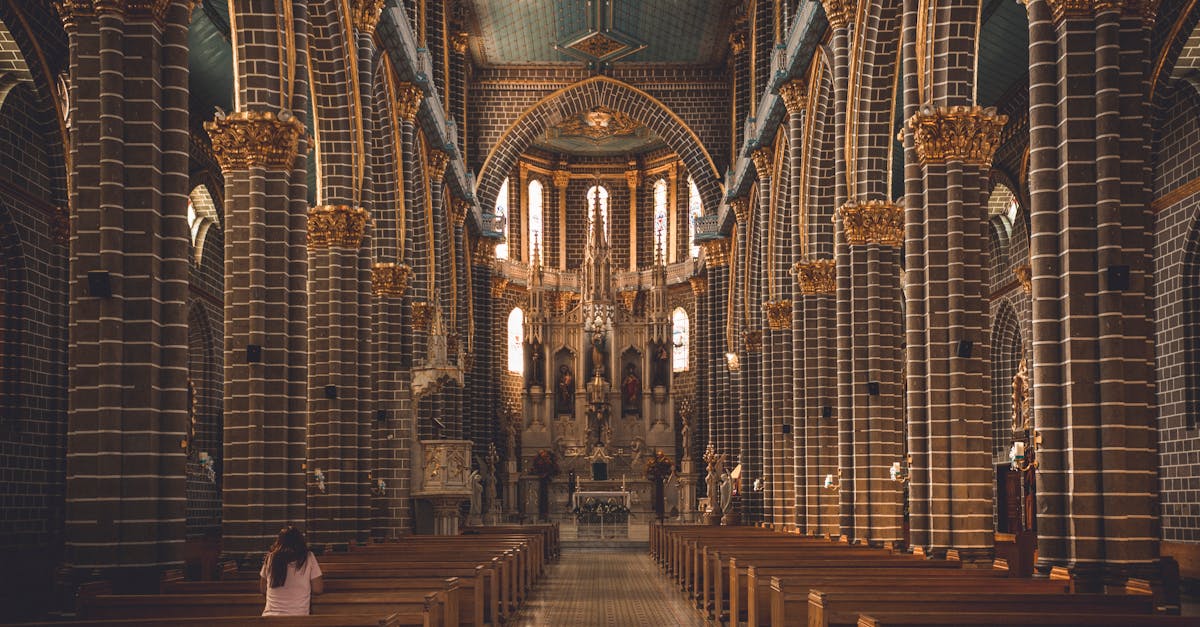
Spanish colonization began in the early 16th century, leaving an indelible mark on Colombian society. The introduction of European customs, language, and religion reshaped local culture. Catholicism became a dominant force, with numerous holidays and celebrations rooted in faith. Architectural styles evolved with the construction of colonial towns and cathedrals, many still standing today. The fusion of Spanish and indigenous influences created a distinct cultural identity, seen in music, cuisine, and art. Spanish colonial legacy endures through festivals and traditions that celebrate this complex history.
Major Cultural Components
Colombia’s culture features diverse elements that reflect its rich heritage. Two key components, language and literature, along with music and dance, express the vibrancy of Colombian identity.
Language and Literature
Spanish serves as the official language, connecting the majority of Colombians. Indigenous languages enrich the linguistic landscape, with around 68 still spoken across the country. Literature reflects local culture; notable authors include Gabriel García Márquez and Laura Restrepo. Their works showcase themes of magic realism and social issues, capturing the essence of Colombian life. Poetry and storytelling traditions are also vital, with oral history preserving ancestral wisdom and cultural narratives.
Music and Dance
Music and dance form the backbone of Colombian celebrations. Styles like cumbia and vallenato resonate throughout communities, often performed during festivals. Instruments such as drums, acordeons, and marimbas contribute to these lively expressions. Traditional dances mirror regional customs and social histories, enhancing the cultural experience. Festivals regularly feature music competitions, drawing both locals and tourists. Through rhythm and movement, these art forms embody Colombia’s spirit, uniting people in joy and celebration.
Festivals and Celebrations
Colombia’s festivals and celebrations highlight its rich cultural heritage, bringing communities together in vibrant displays of tradition and joy.
Carnival de Barranquilla
Carnaval de Barranquilla stands as one of Colombia’s most illustrious celebrations, attracting thousands each year. Traditionally held before Lent, this lively festival features colorful parades infused with music, dance, and artistic performances. Participants dress in elaborate costumes, showcasing cultural motifs from diverse regions. Events span over four days, with highlights including marimba music and the iconic ‘Joselito Carnaval,’ a character that symbolizes the festival. The UNESCO recognized it as a Masterpiece of the Oral and Intangible Heritage of Humanity, reinforcing its significance in preserving Colombian cultural identity.
Dia de los Muertos
Dia de los Muertos, or Day of the Dead, in Colombia combines indigenous beliefs and Catholic traditions. This observance occurs on November 1 and 2, honoring deceased loved ones through vibrant altars adorned with offerings. Families gather to share stories, remember those who have passed, and celebrate their lives. Traditional elements include marigold flowers, sugar skulls, and favorite foods of the departed. While not as widely celebrated as in Mexico, Colombia’s version emphasizes remembrance within families, emphasizing grief and joy’s intertwined nature. Community events often feature music, dance, and prayer, illustrating the cultural richness this tradition embodies.
Culinary Traditions
Colombian culinary traditions highlight the nation’s rich heritage, blending indigenous, African, and Spanish influences to create diverse flavors and dishes.
Regional Dishes
Colombia boasts regional dishes that reflect its geography and cultural variety. Arepas, a corn-based staple, differs in preparation across regions. In Antioquia, bandeja paisa features rice, beans, ground beef, and chicharrón, showcasing hearty flavors. Coastal areas serve sancocho, a flavorful stew made from fish or chicken, paired with plantains. In the Amazon region, local ingredients create unique dishes like cassava and fish. Traditional empanadas filled with meat or potatoes are enjoyed throughout the country. Each region’s specialties highlight Colombia’s culinary diversity, offering a taste of its rich traditions.
Food and Drink Pairings
Colombia harmonizes food and drink pairings, enhancing culinary experiences. Coffee, often regarded as world-class, complements many Colombian dishes, especially pastries. Fresh fruit juices, like lulo and maracuyá, provide refreshing contrasts to savory meals. Aguas frescas, light beverages made with fruits and herbs, accompany traditional fare. With grilled dishes, a cold cerveza is popular, adding a chill to meals. During festive gatherings, aguardiente, an anise-flavored spirit, pairs with hearty dishes for a celebratory touch. These pairings enrich the dining experience, reflecting Colombian hospitality and culture.
Colombia’s culture and traditions offer a captivating glimpse into a nation defined by its diversity and resilience. The blend of indigenous, African, and Spanish influences creates a rich tapestry that resonates through music, dance, and culinary delights. Festivals like Carnaval de Barranquilla not only celebrate this vibrant heritage but also foster a sense of community and belonging.
As visitors explore Colombia, they’ll discover the warmth and creativity that characterize its people and their customs. From lively street food markets to the enchanting rhythms of cumbia, Colombia invites everyone to experience its unique cultural identity. Embracing these traditions is essential for understanding the heart and soul of this remarkable country.