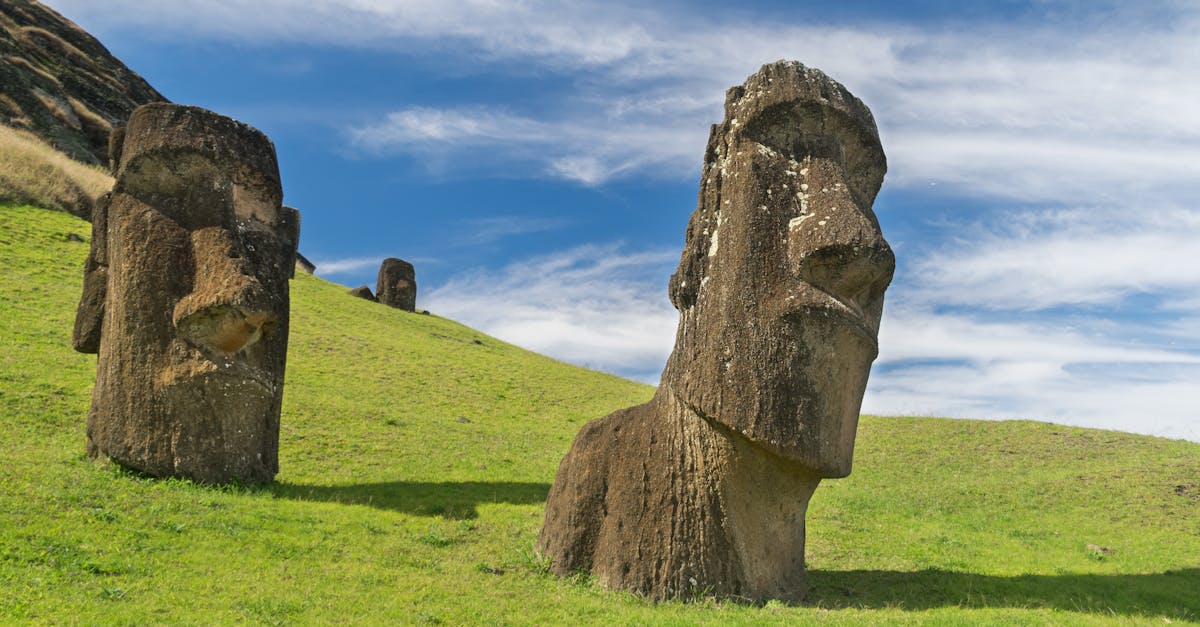
Nestled between the Andes and the Pacific, Chile boasts a vibrant culture that’s as spicy as its famous peppers. From the colorful streets of Valparaíso to the serene beauty of Patagonia, this country offers a delightful blend of traditions that’ll make anyone want to pack their bags and join the fiesta.
Chilean culture is a feast for the senses, where music and dance come alive during lively celebrations. Ever tried to resist the rhythm of Cueca? It’s nearly impossible! With a rich history influenced by indigenous peoples and Spanish colonization, Chile’s traditions are a melting pot that’s sure to intrigue and entertain. So whether you’re a culture connoisseur or just someone looking for a good time, buckle up for a journey through the heart of Chile’s unique customs and traditions.
Table of Contents
ToggleOverview of Chile Culture and Traditions
Chile’s culture embodies a blend of indigenous traditions and Spanish influence. This fusion creates a unique identity shaped by diverse historical contexts. Traditional music and dance play a crucial role in Chilean life, with Cueca standing out as the national dance. Celebrated during festive occasions, Cueca captures the spirit of both courtship and cultural expression.
Indigenous heritage manifests through various art forms, including textiles, pottery, and crafts. In northern Chile, Aymara and Mapuche communities contribute distinct customs and languages. The annual Fiesta de la Tirana showcases the deep-rooted religious and cultural practices of these groups, attracting numerous visitors.
Culinary traditions highlight Chile’s geography and climate. Seafood dishes, such as ceviche and paila marina, exhibit coastal influences. Central regions favor hearty stews like cazuela and empanadas, showcasing local ingredients. Wine production thrives in regions like the Valle Central, offering world-class varieties such as Carménère and Sauvignon Blanc.
Celebrations throughout the year reflect the country’s vibrant spirit. Independence Day, known as Fiestas Patrias, involves parades, traditional foods, and musical performances. The colorful Mapuche New Year, or We Tripantu, brings together families in a celebration of renewal and nature.
Art festivals in cities like Valparaíso emphasize contemporary creativity, blending traditional elements with modern trends. Street art displays enhance urban landscapes, becoming symbols of cultural commentary and identity. Overall, Chile’s culture and traditions create a dynamic tapestry that reflects its history and the resilience of its people.
Historical Influences on Chilean Culture
Chilean culture exhibits a rich mosaic of historical influences, deeply rooted in indigenous heritage and Spanish colonization. These elements intertwine, creating a distinct identity that reflects the country’s diverse past.
Indigenous Roots
Indigenous peoples, including the Mapuche and Aymara, significantly shaped Chilean culture. Their languages, customs, and belief systems remain vibrant today. Traditional music, such as the sound of the kultrún, embodies spiritual connections and communal identity. Artistic expressions, like weaving and pottery, demonstrate their craftsmanship and cultural significance. Culinary traditions like the use of potatoes and corn highlight indigenous agricultural practices. Festivals such as We Tripantu, the Mapuche New Year, celebrate seasonal changes and ancestral reverence. These roots provided a foundation, influencing community life and social structures throughout Chile.
Spanish Colonization
Spanish colonization introduced profound changes that fused with indigenous traditions. Starting in the 16th century, European customs, language, and religion blended with local practices. Catholicism became a dominant faith, shaping the nation’s spiritual landscape. Architecture, seen in grand churches and colonial towns, reflects this European influence. The Spanish language, now the official tongue, serves as a primary means of communication. Celebrations, like Fiestas Patrias, highlight a deep sense of national pride stemming from both Spanish heritage and indigenous resilience. Culinary elements, such as empanadas and asados, integrate local ingredients with Spanish techniques, illustrating this cultural fusion.
Traditional Chilean Cuisine
Chilean cuisine reflects a blend of indigenous flavors and Spanish heritage, showcasing its rich cultural landscape through food. The diverse geography influences the variety of ingredients and dishes prepared across the country.
Popular Dishes
Chilean cuisine boasts several notable dishes. Empanadas, filled with meat or cheese, serve as a beloved snack or meal. Pastel de Choclo features a savory corn pie layered with meat and vegetables, offering a comforting taste of tradition. Cazuela, a hearty stew with chicken or beef and fresh vegetables, warms the soul. Seafood lovers enjoy dishes like congrio frito, which consists of fried conger eel, and the iconic curanto, a mixture of meats, shellfish, and potatoes, traditionally cooked underground. Each dish highlights unique regional ingredients and cooking methods that reflect Chile’s culinary heritage.
Culinary Ingredients
Culinary ingredients vary significantly across regions. Fresh seafood from the Pacific Ocean contributes to many coastal dishes, such as reineta and machas. Potatoes and corn serve as staples, featuring prominently in various preparations. Chilean red wine, particularly from the Valle Central, elevates meals, pairing naturally with rich meat dishes. Legumes like lentils and beans appear frequently in stews, providing essential nutrients. Herbs like cilantro and merken, a smoked chili powder, enhance flavor profiles, showcasing the country’s diverse agricultural landscape. These ingredients collectively weave the tapestry of traditional Chilean meals.
Festivals and Celebrations
Chilean culture thrives on vibrant festivals and celebrations, showcasing the nation’s deep-rooted traditions and communal spirit.
Fiestas Patrias
Fiestas Patrias celebrates Chile’s independence, taking place every September 18th and 19th. These two days represent a national holiday marked by parades, traditional dances, and colorful displays of traditional costumes. Communities gather for these festivities, enjoying typical foods like empanadas and asados. Music fills the air with traditional sounds of Cueca, inviting everyone to participate in the national dance. The atmosphere radiates joy, reinforcing the connection between Chileans and their history. Thousands of locals and visitors flock to plazas and parks, transforming them into lively cultural hubs.
La Fiesta de la Tirana
La Fiesta de la Tirana, held in July, honors the Virgin of Carmen and reflects a blend of Catholic and indigenous traditions. Attendees often dress in elaborate costumes that represent various cultural elements, creating a vivid spectacle. Music and dance are central to the celebration, with groups performing traditional folk dances, including the captivating Diablada. This festival not only showcases religious devotion but also serves as a platform for preserving indigenous heritage. Communities participate enthusiastically, emphasizing unity and cultural pride while attracting visitors from across Chile and beyond. Enthusiasm for this event strengthens the bonds within the community, making it a vital aspect of Chilean identity.
Art and Music in Chile
Chilean art and music embody the spirit of its people and reflect the country’s diverse heritage. Unique expressions emerge from a blend of traditional and contemporary influences.
Folk Music Traditions
Folk music plays a significant role in Chilean culture, showcasing various indigenous and European influences. Traditional styles often incorporate instruments like the guitar, charango, and pan flute, creating captivating melodies. The Cueca, as the national dance, is frequently celebrated through music, inspiring communal gatherings. Additionally, artists such as Violeta Parra and Victor Jara have contributed to Nueva Canción Chilena, a movement deeply rooted in social and political themes. This genre emphasizes cultural identity and resonates with many Chileans, keeping folk traditions alive across generations.
Visual Arts and Literature
Visual arts thrive in Chile, with the country’s landscapes inspiring numerous artists. Noteworthy figures like Pablo Neruda and Gabriela Mistral made significant contributions to literature, earning Nobel Prizes for their work. Contemporary Chilean artists explore themes of identity, social justice, and history through various mediums, including painting and sculpture. Urban spaces feature vibrant murals that reflect social narratives and foster community engagement. Annual festivals, such as Feria Internacional del Libro, celebrate literature and art, uniting creators and audiences. This dynamic artistic landscape forms a crucial part of Chile’s cultural identity.
Chile’s culture and traditions offer a captivating glimpse into the heart of its people. The blend of indigenous roots and Spanish influence creates a rich tapestry that defines its identity. From the spirited celebrations of Fiestas Patrias to the soulful rhythms of Cueca, every aspect reflects a deep connection to history and community.
The culinary landscape, vibrant festivals, and artistic expressions showcase the resilience and creativity of Chileans. As travelers explore this dynamic nation, they’re invited to immerse themselves in the unique customs that make Chile a truly unforgettable destination. Embracing its culture means embracing the spirit of a country that thrives on tradition and innovation alike.