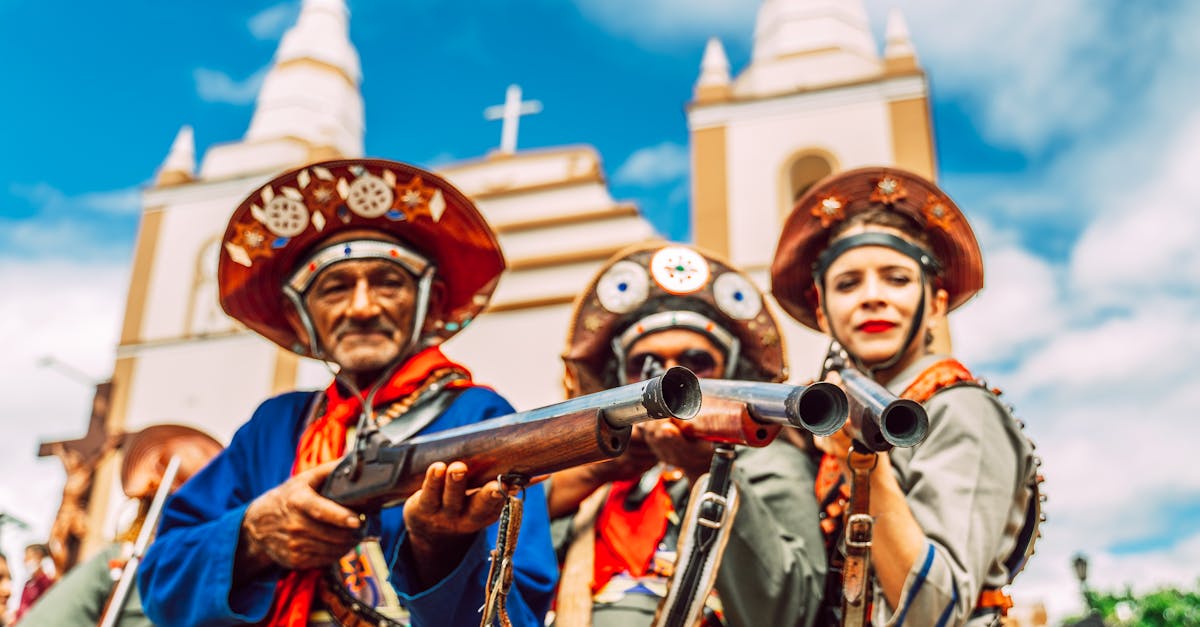
Brazil is a vibrant tapestry of culture and traditions that dances to the rhythm of samba and feasts on the flavors of feijoada. From the electrifying Carnaval parades to the serene beauty of the Amazon rainforest, this South American gem offers a kaleidoscope of experiences that captivate the senses. It’s a place where every street corner tells a story, and every meal is a celebration.
Table of Contents
ToggleOverview of Brazil Culture and Traditions
Brazil’s culture thrives on a fusion of influences from Indigenous peoples, Portuguese colonizers, and African heritage. Celebrations like Carnaval bring communities together, showcasing colorful costumes and energetic samba dance. Festivals attract millions, creating an environment where music and dance come alive.
Cuisine reflects this diversity, with dishes like feijoada representing Brazilian identity. Feijoada consists of black beans and various meats, often served with rice, providing a hearty meal enjoyed across the country. Street food also plays a crucial role, featuring snacks like coxinha and pão de queijo that embody local flavors.
Arts and crafts celebrate Brazilian creativity. Artisans craft intricate pieces using materials like clay and wood, illustrating traditions passed down through generations. Local markets often display vibrant handmade goods, offering visitors a glimpse into Brazil’s artistic soul.
Religion adds another layer to cultural practices, with a mix of Catholicism and African traditions. Rituals, such as Candomblé, highlight spiritual connections and showcase Brazil’s rich religious tapestry. These beliefs permeate daily life and influence various festivities throughout the year.
Sports play a pivotal role, particularly football, which unites fans across diverse backgrounds. Stadiums echo with cheers as clubs compete, reflecting national pride. Other sports, such as volleyball and capoeira, also celebrate athleticism while incorporating cultural significance.
Nature interlaces with culture, especially in the Amazon rainforest. Indigenous communities respect and preserve the environment, emphasizing the importance of biodiversity. Cultural interactions with nature influence traditional practices, fostering a deeper appreciation for Brazil’s natural resources.
Each of these elements contributes to Brazil’s unique cultural landscape, ensuring that every encounter offers an authentic experience for locals and visitors alike.
Music and Dance
Brazilian music and dance captivate audiences with their vibrancy and history. The country’s cultural expressions resonate deeply with its diverse origins and social contexts.
Samba
Samba represents Brazil’s national identity through rhythm and movement. Originating in Afro-Brazilian communities in the early 20th century, samba showcases syncopated beats and lively percussion. Dancers often wear elaborate costumes, especially during Carnaval, where samba schools compete in grand parades. Events celebrate community spirit and reflect a rich blend of African, Portuguese, and indigenous influences. Performances invite participation, making samba an essential aspect of Brazilian festivities. In Brazil, samba embodies joy and unity, inviting locals and tourists to revel in its exuberance.
Bossa Nova
Bossa Nova emerged in the late 1950s, revolutionizing Brazilian music with its smooth sound and lyrical elegance. Characterized by soft guitar rhythms and gentle melodies, it combines samba with jazz elements. Notable artists like Antônio Carlos Jobim and João Gilberto pioneered the genre, creating timeless classics such as “The Girl from Ipanema.” Bossa Nova often evokes feelings of nostalgia and romance, highlighting the beauty of Brazilian life. Cafés and lounges across Brazil often play Bossa Nova, embodying a laid-back cultural atmosphere. This genre represents the evolving nature of Brazil’s music, merging traditional styles with contemporary influences.
Festivals and Celebrations
Brazil’s festivals reflect its vibrant culture and community spirit, showcasing a variety of traditions and celebrations loved by locals and visitors alike.
Carnival
Carnival stands as Brazil’s most famous celebration, attracting millions to its lively festivities. This annual event occurs before Lent, with Rio de Janeiro’s parade being the most recognized worldwide. Floats adorned with elaborate designs parade through the Sambadrome, where samba schools compete for glory. Dancers in dazzling costumes fill the streets, showcasing energy and creativity. Moreover, cities across the country host their own Carnival events, ensuring that every region has its unique flavor. These celebrations embody the nation’s rich history and blend of cultures.
Festa Junina
Festa Junina celebrates the harvest season, marked by vibrant gatherings in June. Originating from European midsummer festivals, this event features traditional foods like pamonha and canjica. Festivities include colorful decorations resembling rural scenes, with bonfires and square dances enhancing the atmosphere. Attendees often wear traditional clothing, adding to the visual appeal. Music plays a central role, with forró and quadrilha inviting everyone to join in the fun. This celebration unites communities while honoring both agricultural traditions and cultural heritage.
Cuisine and Culinary Traditions
Brazil’s cuisine highlights its diverse cultural influences and vibrant flavors. Food represents local traditions, showcasing a blend of ingredients and cooking techniques.
Typical Dishes
Common dishes include feijoada, a hearty black bean stew filled with various meats, and it often serves as a communal meal during gatherings. Street foods pique interest with options like coxinha, a chicken-filled dough ball, and pão de queijo, a cheesy bread roll. These dishes reflect the country’s culinary roots, merging African, Portuguese, and Indigenous influences in flavorful ways.
Regional Influences
Regional cuisines vary significantly across Brazil. In the North, dishes like tacacá feature ingredients such as cassava and jambu, highlighting Amazonian influences. The Northeast boasts spicy dishes like acarajé, with black-eyed pea fritters stuffed with shrimp, emphasizing African heritage. In contrast, the South showcases rich barbecued meats known as churrasco, emphasizing gaucho traditions. Each region contributes distinct flavors and culinary customs, enriching Brazil’s overall gastronomic landscape.
Art and Literature
Brazil’s art scene features vibrant expressions through various media, reflecting the nation’s rich cultural tapestry.
Visual Arts
Artists in Brazil draw inspiration from diverse backgrounds, producing captivating works that showcase the nation’s complexity. Renowned figures like Tarsila do Amaral and Di Cavalcanti achieved international acclaim with their contributions to modernism. Their works frequently address social issues while celebrating Brazilian identity. Street art also thrives, particularly in urban areas like São Paulo and Rio de Janeiro, where murals transform cityscapes into colorful galleries. Additionally, Indigenous and Afro-Brazilian art forms continue to flourish, preserving traditional techniques and narratives within contemporary contexts.
Brazilian Literature
Brazilian literature reflects the nation’s diverse voices and experiences, spanning numerous genres and styles. Prominent authors such as Machado de Assis and Clarice Lispector are celebrated for exploring themes of identity, social dynamics, and human emotion. The literary movement of modernism emerged in the early 20th century, challenging traditional norms and paving the way for innovative storytelling. Contemporary writers like Jorge Amado and Milton Hatoum provide insight into Brazil’s cultural landscape, engaging readers with their vivid depictions of life in Brazil. Poetry also plays a significant role, showcasing talents like Adélia Prado and Villalobos, who capture the essence of Brazilian existence in their verses.
Brazil’s culture and traditions offer a vibrant tapestry of experiences that resonate with both locals and visitors. From the pulsating rhythms of samba to the rich flavors of feijoada, every aspect of Brazilian life reflects its diverse heritage. Festivals like Carnaval not only celebrate this diversity but also strengthen community bonds through music and dance.
The artistic expressions found in Brazilian literature and visual arts further underscore the nation’s complexity and creativity. As Brazil continues to evolve, its cultural landscape remains a dynamic blend of influences that captivates and inspires. Embracing these traditions allows for a deeper appreciation of Brazil’s unique identity and its enduring spirit.