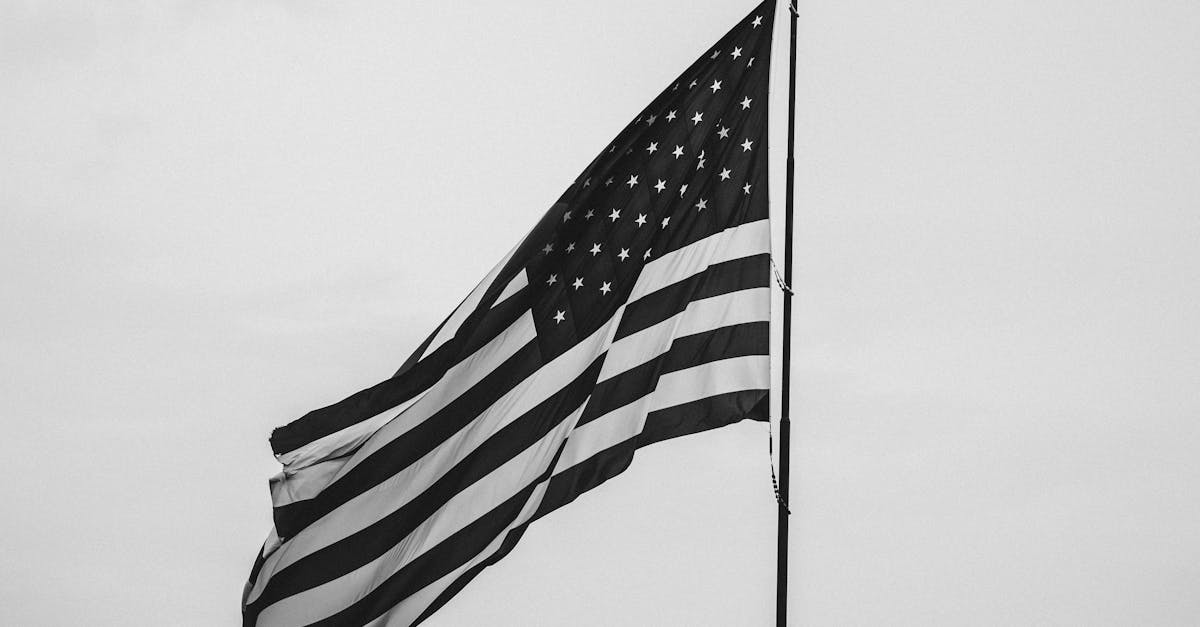
American political culture is a wild ride, blending ideals of freedom, democracy, and a dash of good old-fashioned rivalry. It’s the unique cocktail that fuels debates over brunch and sparks heated discussions at family gatherings. From the fervent cries of “freedom” to the passionate defense of individual rights, this culture shapes not just policies but the very fabric of daily life.
Table of Contents
ToggleOverview of American Political Culture
American political culture reflects a unique blend of values, beliefs, and attitudes. Central to this culture is the principle of individualism, which prioritizes personal freedom and self-reliance. Democratic ideals play a critical role as well, creating a framework where citizens participate actively in governance. Through elections and civic engagement, individuals express their opinions and influence policies.
Rivalry also defines American political culture. This competitive spirit manifests itself in political campaigns, debates, and party affiliations. Citizens often align with particular political parties, fostering a sense of community and shared purpose. Public discussions frequently center around contentious issues, emphasizing the importance of diverse perspectives.
Moreover, the influence of historical events shapes contemporary attitudes. The American Revolution, Civil Rights Movement, and other milestones contribute significantly to the nation’s governing ethos. This history fosters a collective memory that informs current political behavior.
Civic responsibility remains crucial in this cultural landscape. Many people believe participating in the electoral process holds both rights and obligations. Engagement in local, state, and national issues contributes to a more informed electorate.
In everyday life, political culture permeates casual conversations, connecting people across various settings. Brunch discussions, family gatherings, and workplace dialogues often reflect broader political sentiments. Such interactions reinforce how political beliefs shape social dynamics and personal relationships.
Overall, the complexities of American political culture encapsulate deep-rooted ideals, competitive elements, historical context, and ongoing civic engagement. Each of these aspects intertwines to create a vibrant political landscape, where citizens navigate their roles within society.
Historical Context
American political culture reflects a rich historical backdrop that has continuously evolved. Early influences and significant events undeniably shape its current dynamics.
Early Influences
Colonial experiences laid the foundation for American political culture. Enlightenment ideas inspired thinkers like Thomas Jefferson and James Madison, promoting individual rights and limited government. Religious pluralism in early colonies encouraged diverse beliefs and practices, fostering tolerance. Additionally, the unique challenges faced during the American Revolution galvanized a sense of unity and national identity, further embedding these values into the political landscape. Colonial assemblies often served as the first instances of self-governance, providing citizens with a voice in decision-making.
Development Through the Ages
The Constitution marked a pivotal moment, establishing a framework for governance rooted in democratic principles. Amendments expanded the electorate, reflecting changing attitudes toward civil rights and liberties. The Civil War profoundly impacted political beliefs, as it confronted issues of freedom and equality, leading to the Reconstruction era’s challenges and achievements. Significant movements, such as suffrage and civil rights, advanced social change and highlighted the ongoing struggle for inclusion. Economic transformations also shaped political attitudes, as industrialization created new social classes and interests. Consequently, these developments formed a distinct political culture characterized by resilience, activism, and a constant dialogue on rights and responsibilities.
Core Principles of American Political Culture
American political culture is built on several core principles that influence its citizens and governance. Individualism, democracy, and equality play vital roles in shaping the nation’s identity.
Individualism
Individualism serves as the foundation of American political culture. Personal freedom and self-reliance resonate deeply with citizens. People often view their rights and responsibilities as paramount, leading to a culture where achievements are attributed to personal efforts. Self-identity is cherished, contributing to a spirit of entrepreneurs and innovators. The belief in the individual extends to political participation, where citizens engage actively in the democratic process. This mindset fosters a sense of ownership over personal and communal outcomes.
Democracy
Democracy remains central to the American experience. Citizens engage frequently in local, state, and national elections, exercising their right to vote. Active participation in governance reflects a commitment to shared decision-making. Political debates are lively, illustrating a culture that values differing viewpoints. Informal gatherings, such as community meetings and family discussions, often revolve around democratic ideals. These interactions reinforce the importance of civic engagement and the collective responsibility of each citizen in shaping governance.
Equality
Equality is a key tenet of American political culture. The belief in equal rights for all individuals informs policies and societal norms. Historical injustices, such as those faced during civil rights movements, prompt ongoing discussions about access and representation. Citizens advocate for policies that promote inclusivity and equality across various social spectrums. This commitment to fairness manifests in numerous social movements, reflecting a determination to rectify disparities. Achieving true equality remains a continuous journey, shaping both political discourse and personal relationships across the nation.
Current Trends in American Political Culture
Current American political culture exhibits notable trends that reflect its evolving nature. Specific dynamics, such as polarization and civic engagement, play significant roles in shaping today’s political environment.
Polarization
Polarization stands out in American politics, manifesting as a stark division between parties and ideologies. Americans increasingly align with political groups that reinforce their beliefs, often dismissing opposing views. This growing divide generates intense debates, especially on social media platforms, where echo chambers amplify partisan rhetoric. Individuals report feeling more passionate about their affiliations as a result. Public opinion polls reveal that approximately 75% of Americans see political across-the-board division as a major issue. Moreover, this polarization impacts legislative effectiveness, hindering bipartisan cooperation on essential policies. Political factors may continue to escalate this trend, as candidates often appeal to their bases, deepening ideological divides and altering traditional norms of political discourse.
Civic Engagement
Civic engagement plays a crucial role in shaping American political culture, reflecting citizens’ commitment to participating in governance. Rates of voter registration and turnout indicate heightened awareness of political issues, particularly among younger generations. An estimated 50% of eligible voters aged 18-29 participated in the 2020 election, marking a significant increase from previous years. Community initiatives and grassroots movements encourage local activism, enabling people to address issues directly affecting their lives. Social movements focused on equality and justice further mobilize individuals, leading to widespread participation in protests and advocacy campaigns. Engaged citizens foster conversations about policy changes and community involvement, which ultimately strengthens democracy and ensures that diverse perspectives contribute to the national discourse.
Impact of Media on Political Culture
Media significantly influences American political culture. It shapes public opinion and offers platforms for discussion and debate.
Social Media Influence
Social media platforms play a crucial role in shaping political discourse. Users generate and share content, impacting perceptions of political issues and public figures. Engaging with diverse viewpoints, individuals often encounter echo chambers that reinforce existing beliefs. Platforms like Twitter, Facebook, and Instagram foster rapid information dissemination, though misinformation can spread just as quickly. Younger generations particularly rely on social media for news. Voter mobilization efforts often harness these platforms, enhancing civic engagement among millennials and Gen Z. Increased online activism has transformed the landscape, making civic participation more accessible.
Traditional Media’s Role
Traditional media continues to shape American political culture through news reporting and commentary. Television networks, newspapers, and radio stations provide in-depth analyses of political events. Many Americans trust established outlets for reliable information. Investigative journalism holds leaders accountable and informs the electorate. Coverage of significant events, from elections to protests, influences public understanding and perception. However, media bias can skew public opinion, leading to increased polarization. While traditional media faces competition from online platforms, its role in framing narratives and shaping political discourse remains vital.
American political culture is a dynamic tapestry woven from ideals of freedom democracy and individualism. These principles not only guide political discourse but also shape everyday interactions among citizens. The ongoing struggle for equality and representation reflects the nation’s commitment to inclusivity and civic responsibility.
As polarization continues to challenge bipartisan cooperation citizens are increasingly engaging in grassroots movements and discussions. This active participation signifies a robust democratic spirit that adapts to contemporary challenges. The role of media—both traditional and social—remains pivotal in influencing public opinion and fostering dialogue.
Ultimately the essence of American political culture lies in its resilience and capacity for evolution. As citizens navigate their roles within this vibrant landscape they contribute to a collective journey toward a more equitable society.